
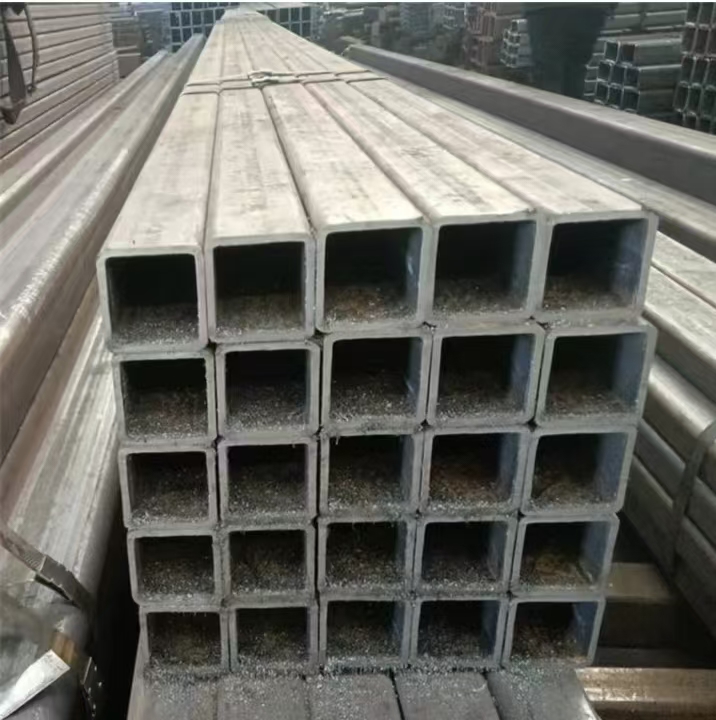
Beam and Column Fundamentals: Roles, Types, and Load-Bearing LogicUnderstanding the distinct roles of beams and columns is the foundation of safe commercial building design. Columns are vertical load-bearing members that carry axial compressive force...
VIEW MORE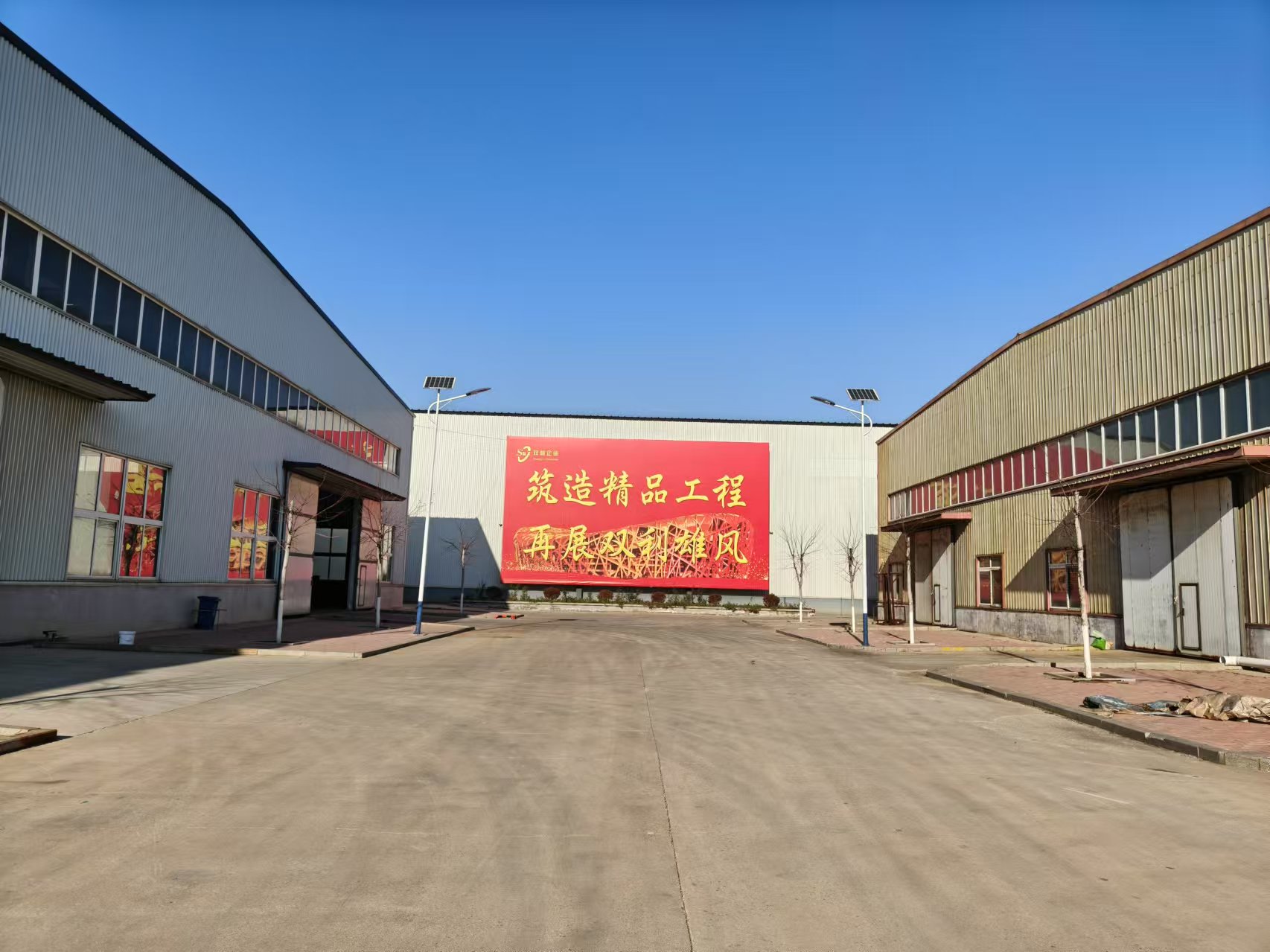
Verify Credentials and Proven Expertise of Structural Steel FabricatorsAISC Certification, ISO 9001 Compliance, and Project-Specific Qualification HistoryBegin by verifying the fabricator’s formal credentials—starting with AISC (American Institute of...
VIEW MORE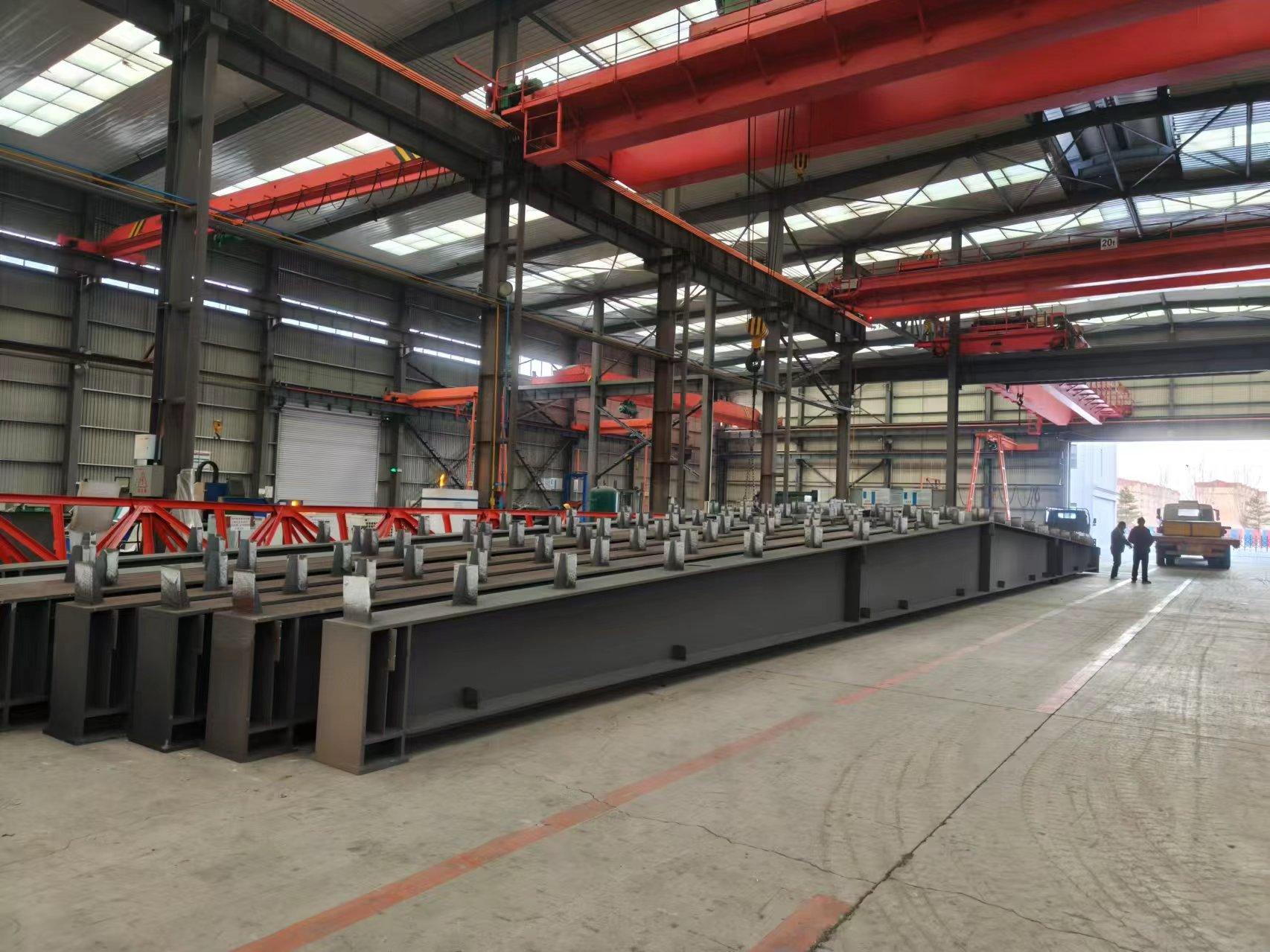
AISC Certification: The Foundational Benchmark for Structural Steel FabricatorsWhy AISC certification remains the non-negotiable baseline for structural integrity and project eligibilityAISC certification is the definitive quality credential for stru...
VIEW MORE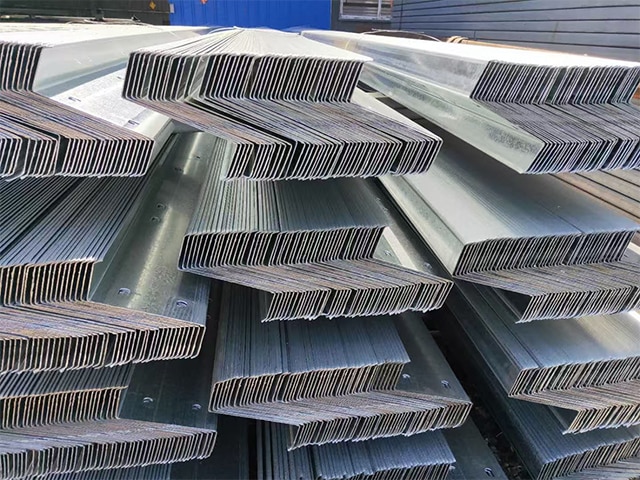
Selecting the right structural steel is a critical decision for industrial construction projects. Material strength, certification requirements, fabrication performance, and supply chain reliability all influence the safety, durability, and efficienc...
VIEW MORE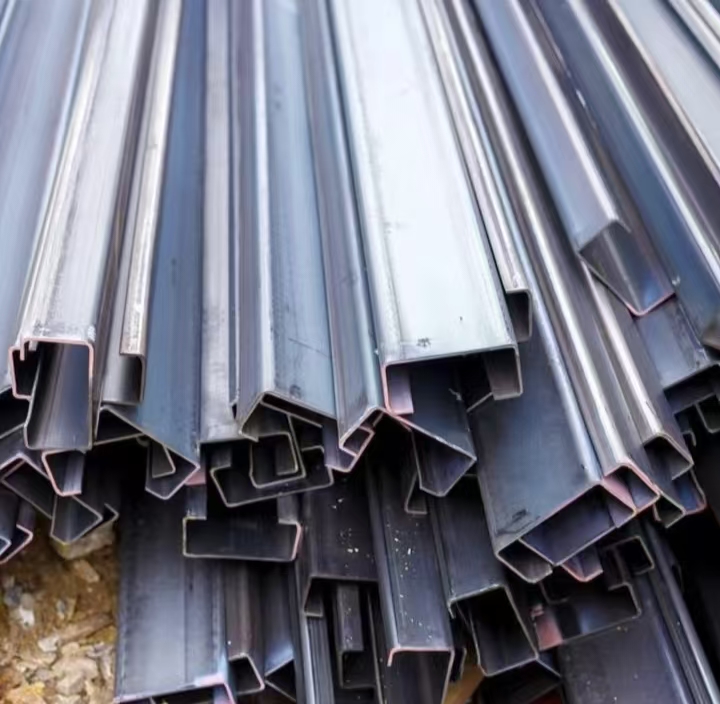
Steel structure beams and columns are designed for long-term performance, but exposure to moisture, chemicals, temperature changes, and industrial environments can gradually affect their durability. Effective corrosion protection is therefore an esse...
VIEW MORE
The Importance of Steel Structure Nodes in Load Transfer and Safety Steel structure nodes are the connection points where beams, columns, braces, and other structural members meet. These joints play a critical role in transferring loads throughout a ...
VIEW MORE
Why AISC Certification Matters When Selecting a Structural Steel Fabricator Choosing the right structural steel fabricator directly affects project quality, schedule reliability, and long-term building performance. A qualified fabricator should have ...
VIEW MORE
Understanding How Steel Buildings Respond During Earthquakes When an earthquake occurs, the ground moves beneath a building and creates dynamic forces throughout the structure. Unlike normal gravity loads, seismic forces change direction rapidly and ...
VIEW MORE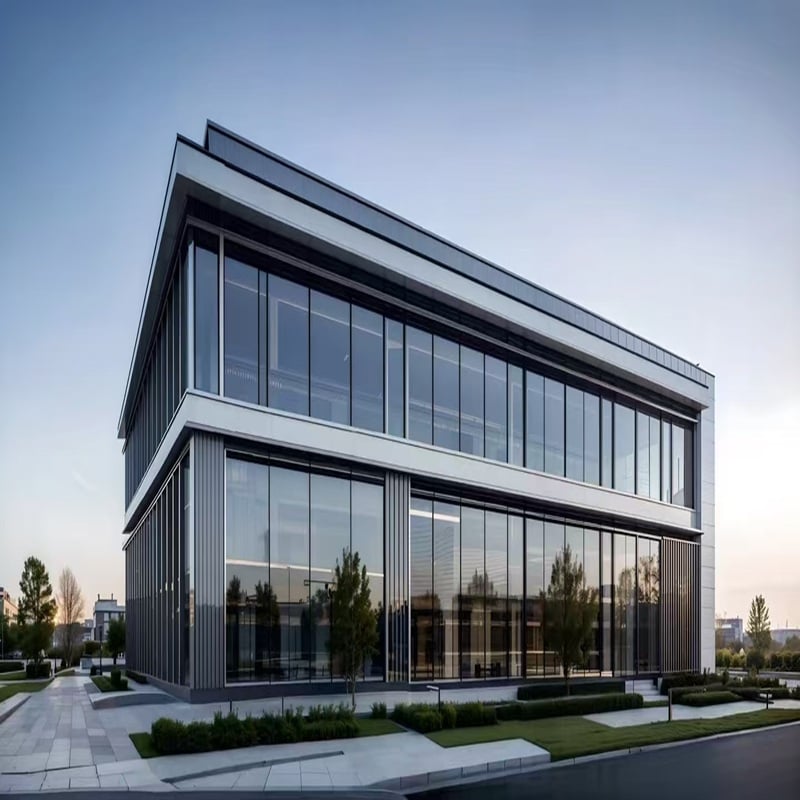
Pre-Weld Preparation and Procedure Qualification for Steel Structure WeldingJoint Design, Fit‑Up, and Material Handling Best PracticesJoint design must comply with AWS D1.1 or EN 1090‑2 to ensure consistent load transfer and full-penetration fusion. ...
VIEW MORE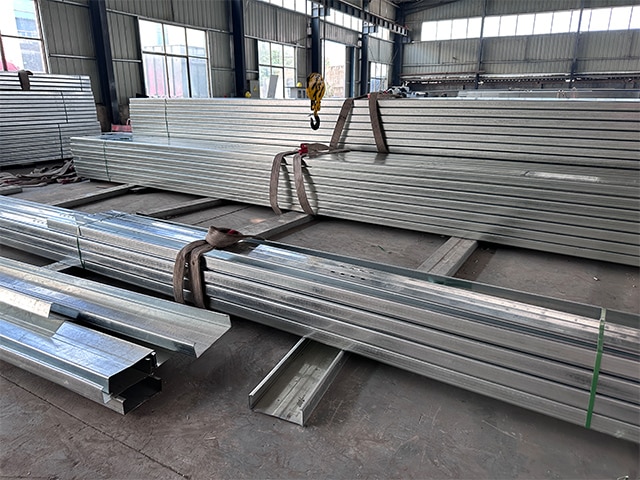
Chemical Treatments: Forming Protective Layers on SteelChemical treatments alter steel surfaces through controlled chemical reactions, creating durable barriers against corrosion. These methods are essential for extending the lifespan of steel compon...
VIEW MORE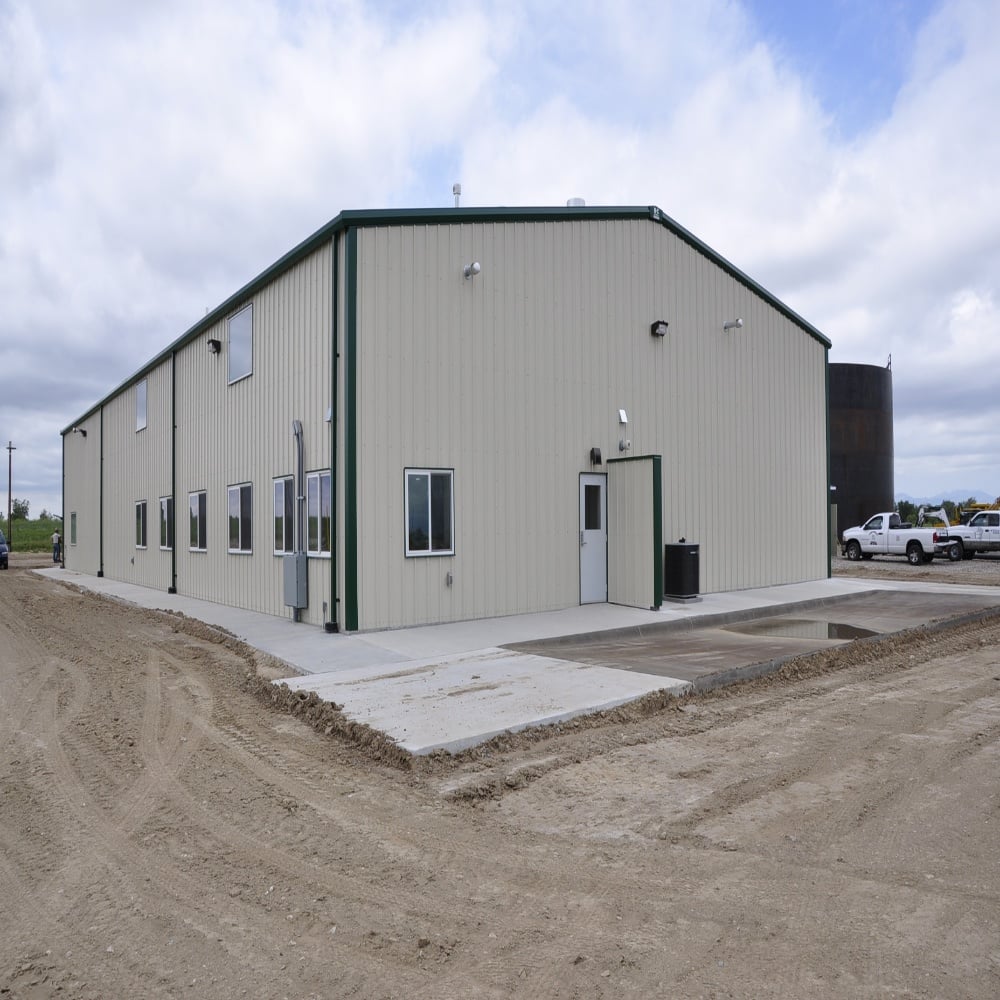
Structural Design Principles for Heavy-Duty Steel ConstructionLoad Path Analysis for Crane Systems and Process EquipmentA clearly defined load path is the foundation of heavy-duty steel construction—ensuring forces from overhead cranes and vibrating ...
VIEW MORE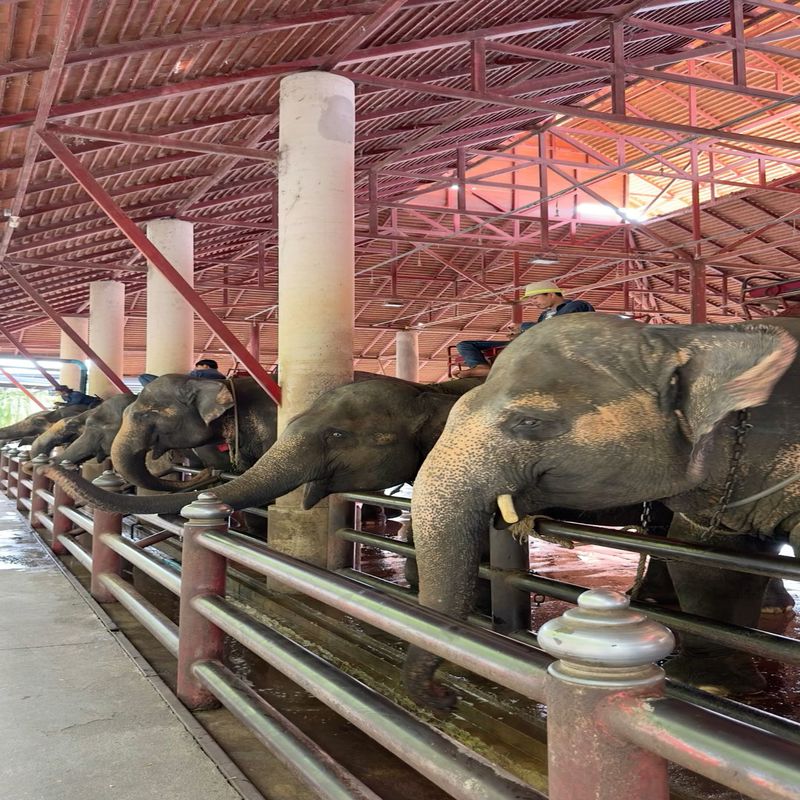
Unmatched Durability and Weather Resistance for Animal BarnsStructural Integrity Under Extreme ConditionsSteel’s high strength-to-weight ratio forms the backbone of a resilient animal barn. Unlike traditional materials, steel frames resist warping, c...
VIEW MORE
China steel structure manufacturer since 2008. 100,000m² factory, 30,000 tons/year. Custom steel buildings, grid trusses, profiled steel sheets & prefab houses. ISO/CE/GOST certified, exporting to 70+ countries. Free design & FOB quote in 24h.
No. 62-1, Zhenxing Street, Dayushan Park, Lianshan District, Huludao City, Liaoning Province, China
Copyright © 2026 by Liaoning Shuangli Construction (Group) Co., Ltd. Privacy Policy
 EN
EN