
 EN
Root Causes of Corrosion in Metal Buildings
Electrochemical Rust Formation in Structural Steel
Corrosion in metal buildings begins as an electrochemical reaction when structural steel contacts water and oxygen. This process creates microscopic anodic and cathodic zones on the surface, where iron atoms lose electrons and oxidize into rust. Even minor coating defects or scratches can initiate this cycle—moisture penetrates the breach, establishing a localized corrosion cell. The steel then degrades from the inside out, often without visible signs until strength loss becomes critical. Controlling the electrolyte—typically water—is the most direct way to interrupt the reaction; without it, the electrical circuit cannot close, and rust formation halts.
Environmental Threats: Humidity, Salt, and Chemical Exposure
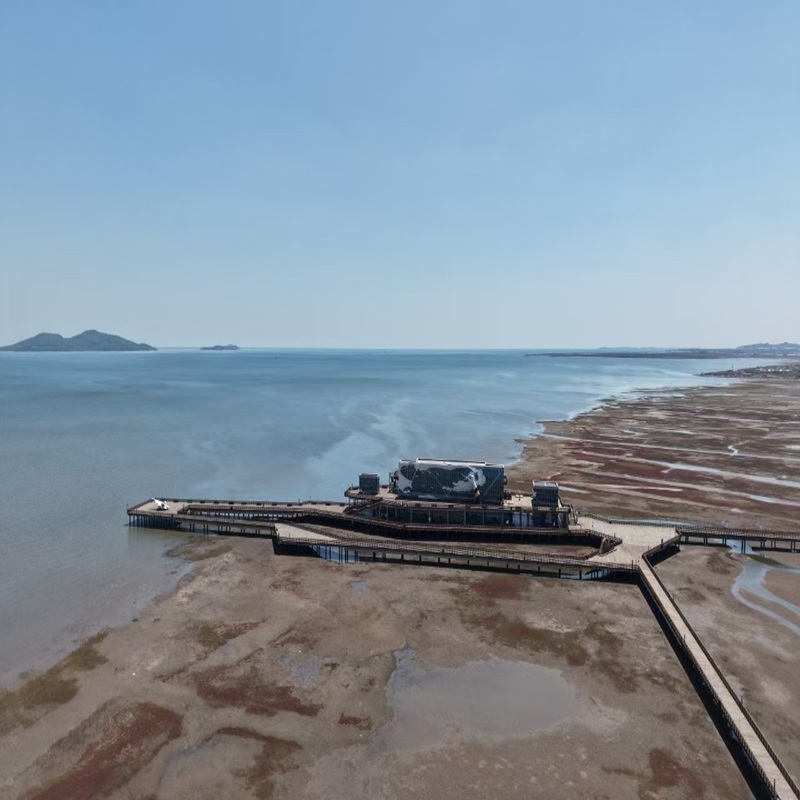
Environmental factors dramatically accelerate corrosion beyond the baseline electrochemical process. High humidity sustains surface moisture, prolonging electrolyte presence. In coastal zones, airborne salt deposits lower the resistivity of moisture films, intensifying corrosion cell activity. Industrial pollutants—including sulfur dioxide and chlorides—attack passive oxide layers and combine with rain to form mild acids that etch steel surfaces. Indoor environments like swimming pool halls or chemical storage areas concentrate corrosive vapors that aggressively degrade roof purlins and wall girts. In severe marine atmospheres, unprotected steel can lose up to 0.5 mm of thickness annually.
Design and Installation Pitfalls That Promote Corrosion
Engineering oversights and installation errors often create hidden corrosion traps. Poor drainage design leads to ponding on flat roofs or accumulation at column bases—maintaining constant wetness. Unsealed lap joints and bolted connections foster crevice corrosion, where moisture and debris collect in narrow gaps. Direct contact between dissimilar metals—such as steel fasteners in aluminum panels—triggers galvanic corrosion unless insulated. Weld zones left uncoated or inadequately cleaned become galvanic cells due to differing electrochemical potentials between weld and base metal. Even orientation matters: upward-facing C-channels and angles retain water, whereas a slight tilt promotes shedding. These common oversights compromise durability long before coating failure occurs.
Proven Corrosion Protection Methods for Metal Buildings
Hot-Dip Galvanizing: Zinc Coating Standards and Long-Term Performance
Hot-dip galvanizing (HDG) immerses fabricated steel in molten zinc, forming a metallurgically bonded coating that shields metal buildings from corrosion. The zinc layer acts as a sacrificial anode, corroding preferentially to protect underlying steel—even at scratches or cut edges. ASTM A123 specifies a minimum average coating thickness of 85 micrometers for structural steel, ensuring robust coverage. In rural environments, HDG delivers maintenance-free service for over 70 years; in coastal or industrial settings, life expectancy typically ranges from 20 to 30 years [American Galvanizers Association, 2022]. For extremely aggressive conditions, a duplex system—galvanizing followed by a paint topcoat—can extend service life to 50 years or more. The factory-controlled process ensures uniform coverage, including interior surfaces of hollow sections, eliminating on-site touch-up painting and delivering predictable, long-term durability that reduces lifecycle costs.
High-Performance Coatings: Epoxy and Polyurethane Systems for Metal Buildings
Where galvanizing alone is insufficient, liquid-applied coating systems offer a versatile defense. Epoxy coatings provide exceptional adhesion, moisture resistance, and abrasion protection—making them ideal primers. Polyurethane topcoats deliver strong UV stability, color retention, and weatherability, shielding the epoxy layer from sunlight degradation. A typical three-coat system—zinc-rich primer, epoxy intermediate, and polyurethane finish—conforms to ISO 12944-5 standards and achieves 15–25 years of durability in C3–C4 environments (moderate to marine industrial). The table below compares key properties:
| Property | Epoxy | Polyurethane |
|---|---|---|
| Adhesion | Excellent | Good |
| Chemical Resistance | High | Moderate |
| UV Resistance | Low | High |
| Flexibility | Moderate | High |
| Abrasion Resistance | High | Good |
When applied over abrasive-blasted surfaces (Sa 2½), this layered system can halve maintenance frequency compared to single-coat paints. Modern polyurethane formulations also meet environmental regulations with low VOC content. For metal buildings in coastal or chemically exposed settings, epoxy-polyurethane combinations balance upfront investment with extended service life.
Advanced and Emerging Solutions for Metal Buildings
Nanocomposite and Polymer Hybrid Coatings: Bridging Lab Innovation and Field Reliability
Nanocomposite and polymer hybrid coatings embed nanoparticles—such as silica, clay, or graphene—into polymer matrices to enhance barrier performance and enable self-healing capabilities. Lab studies show these coatings can reduce corrosion rates by up to 90% versus conventional epoxy systems [NACE International, 2023]. Real-world deployment faces challenges: achieving uniform nanoparticle dispersion, maintaining adhesion across temperature fluctuations, and ensuring long-term UV stability. Recent field trials on industrial metal buildings in coastal areas demonstrate that optimized formulations retain performance for over a decade without significant degradation. Bridging lab innovation with field reliability requires testing protocols that simulate actual service conditions—not just accelerated lab exposure. As research advances, these coatings are positioned to become the new standard for high-performance metal buildings in harsh environments.
Sustaining Corrosion Resistance: Inspection and Maintenance Best Practices
Risk-Based Inspection Schedules for Harsh Environments (e.g., Coastal, Industrial, Indoor Pool Facilities)
Risk-based inspection (RBI) focuses resources on the most vulnerable areas of metal buildings—weld joints, fasteners, and coating interfaces—where corrosion initiates earliest. In harsh environments—coastal salt spray, industrial emissions, or indoor pool chloramines—corrosion rates increase significantly, requiring shorter inspection intervals. For example, buildings within 500 meters of saltwater may need quarterly visual inspections, while comparable structures in mild inland climates can be inspected annually. Inspectors should evaluate coating integrity, check for blistering or rust, and confirm sealants and drainage systems remain functional. Maintenance logs documenting findings and corrective actions establish a trendable history, enabling facility managers to anticipate failures and adjust schedules proactively. This data-driven strategy extends asset lifespan and prevents costly unplanned repairs—especially critical for infrastructure such as warehouses and production facilities.
FAQs
What is the primary cause of corrosion in metal buildings?
The primary cause of corrosion is an electrochemical reaction involving moisture, oxygen, and structural steel. Environmental factors like humidity, salt, and chemical exposure further accelerate this process.
How can hot-dip galvanizing protect metal buildings from corrosion?
Hot-dip galvanizing applies a zinc coating that acts as a sacrificial anode, protecting steel from corrosion even at exposed or scratched areas.
What are the advantages of epoxy and polyurethane coating systems?
Epoxy coatings offer excellent adhesion, moisture resistance, and chemical resistance, while polyurethane topcoats provide UV stability, flexibility, and color retention.
Why are nanocomposite coatings considered innovative for metal buildings?
Nanocomposite coatings utilize nanoparticles to enhance corrosion resistance and introduce self-healing properties, reducing corrosion rates by up to 90% in lab studies.
How often should metal buildings near saltwater undergo inspection?
Metal buildings within 500 meters of saltwater should undergo quarterly visual inspections to monitor and address corrosion concerns effectively.
Table of Contents
- Root Causes of Corrosion in Metal Buildings
- Proven Corrosion Protection Methods for Metal Buildings
- Advanced and Emerging Solutions for Metal Buildings
- Sustaining Corrosion Resistance: Inspection and Maintenance Best Practices
-
FAQs
- What is the primary cause of corrosion in metal buildings?
- How can hot-dip galvanizing protect metal buildings from corrosion?
- What are the advantages of epoxy and polyurethane coating systems?
- Why are nanocomposite coatings considered innovative for metal buildings?
- How often should metal buildings near saltwater undergo inspection?