
 EN
EN
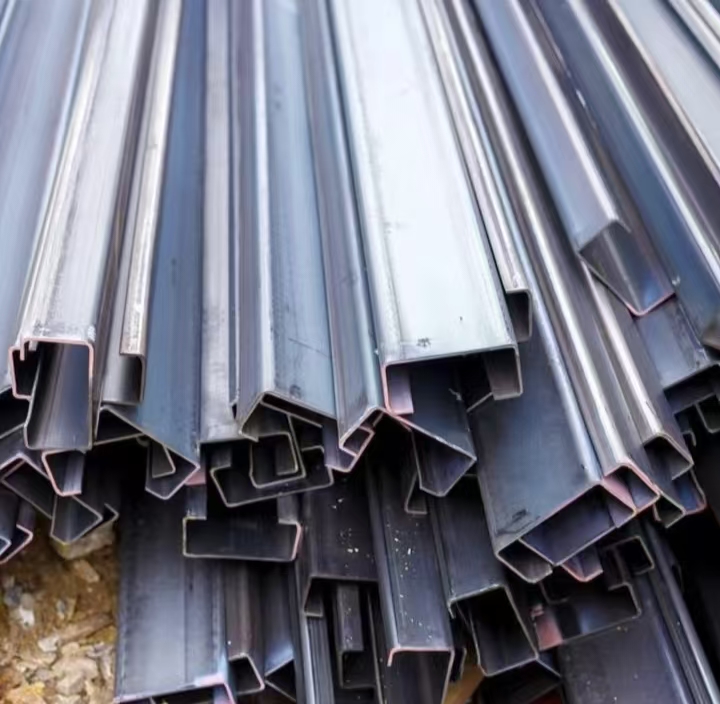
Steel structure beams and columns are designed for long-term performance, but exposure to moisture, chemicals, temperature changes, and industrial environments can gradually affect their durability. Effective corrosion protection is therefore an essential part of structural steel design, fabrication, and maintenance.
For industrial buildings, warehouses, aviation facilities, and large steel structures, a comprehensive protection strategy combines appropriate coating systems, regular inspection, and preventive maintenance. By controlling corrosion risks throughout the service life, owners can improve structural reliability and reduce unexpected repair requirements.
Understanding Corrosion Risks in Steel Structure Components
Steel beams and columns are commonly exposed to environmental factors that accelerate corrosion, including humidity, coastal salt exposure, industrial pollutants, and chemical contaminants.
At connection areas such as beam-to-column joints, bolt assemblies, and welded sections, moisture can become trapped and create localized corrosion risks. These areas require particular attention because corrosion may develop in hidden locations where visual inspection alone cannot identify early damage.
Common corrosion mechanisms include:
Electrochemical corrosion caused by moisture and oxygen exposure
Galvanic corrosion between dissimilar metals
Crevice corrosion around connections and fasteners
Surface degradation caused by industrial chemicals or salt environments
Without appropriate protection, corrosion can gradually reduce steel thickness, affect connection performance, and shorten the service life of structural components.
Protective Coating Systems for Long-Term Steel Durability
A properly designed coating system is one of the most effective methods for protecting structural steel beams and columns.
A typical multi-layer coating approach may include:
Zinc-rich primer: Provides corrosion protection by creating a protective barrier and offering sacrificial protection.
Epoxy intermediate coating: Improves moisture resistance and enhances overall coating durability.
Polyurethane topcoat: Provides resistance against ultraviolet exposure, weathering, and environmental conditions.
The exact coating specification should be selected according to the project environment, expected exposure conditions, and applicable standards such as ISO 12944 or other recognized coating guidelines.
Surface preparation is equally important. Abrasive blasting and proper surface cleaning help remove rust, mill scale, and contaminants, creating a suitable surface for coating adhesion.
For steel structures operating in demanding environments, regular coating inspection and maintenance can significantly extend service life and preserve structural appearance.
Non-Destructive Testing for Steel Structure Inspection
Regular inspection helps identify corrosion, cracks, and connection problems before they become major structural concerns. Non-destructive testing (NDT) allows engineers to evaluate steel components without damaging the structure.
Ultrasonic thickness measurement is widely used to detect hidden corrosion and measure remaining steel thickness. This method is especially useful for areas where corrosion may develop beneath coatings or insulation.
Phased array ultrasonic testing (PAUT) provides detailed imaging of weld areas and can help identify internal weld discontinuities. It is commonly applied to critical welded connections where detailed evaluation is required.
Pulsed eddy current (PEC) technology can assist with corrosion screening through certain protective coatings, making it useful for large-area inspections where coating removal is undesirable.
Combining different inspection methods allows engineers to better understand structural conditions and develop targeted maintenance plans.
Maintaining Beam and Column Performance Through Preventive Maintenance
Long-term steel structure durability depends not only on initial fabrication quality but also on continuous monitoring and maintenance.
Before a structure enters service, quality checks should verify:
Proper installation of bolted and welded connections
Correct alignment of structural members
Compliance with approved fabrication and erection drawings
During operation, maintenance programs should focus on:
Coating condition inspections
Connection and fastener evaluations
Corrosion monitoring in high-risk areas
Periodic structural assessments based on environmental exposure
For large industrial or commercial steel buildings, condition-based maintenance helps identify potential issues early and allows repairs to be scheduled before serious deterioration occurs.
Improving Steel Structure Durability Through Quality Fabrication
Corrosion protection begins during the fabrication stage. Experienced structural steel manufacturers apply quality control throughout cutting, welding, surface preparation, and coating processes.
Accurate fabrication, proper welding procedures, and suitable protective treatments help ensure that beams and columns perform reliably after installation.
By combining engineering design, quality fabrication, corrosion-resistant coatings, and ongoing inspection, steel structures can maintain their strength and functionality throughout their intended service life.
FAQ
What causes corrosion in steel structure beams and columns?
Steel corrosion is mainly caused by exposure to moisture, oxygen, salts, chemicals, and environmental pollutants. Connection areas are often more vulnerable because they can trap moisture.
How can steel structures be protected from corrosion?
Common protection methods include protective coating systems, proper surface preparation, regular inspections, and preventive maintenance.
What inspection methods are used for structural steel corrosion?
Common methods include ultrasonic thickness testing, phased array ultrasonic testing, visual inspection, and other non-destructive testing techniques.
Why are coating systems important for steel buildings?
Coating systems create protective barriers that help prevent moisture and chemical exposure from reaching the steel surface, improving durability and reducing maintenance needs.
How does fabrication quality affect steel structure durability?
High-quality fabrication ensures accurate dimensions, reliable connections, and proper surface treatment, which all contribute to long-term structural performance.
Table of Contents
- Understanding Corrosion Risks in Steel Structure Components
- Protective Coating Systems for Long-Term Steel Durability
- Non-Destructive Testing for Steel Structure Inspection
- Maintaining Beam and Column Performance Through Preventive Maintenance
- Improving Steel Structure Durability Through Quality Fabrication
- FAQ