
 EN
EN
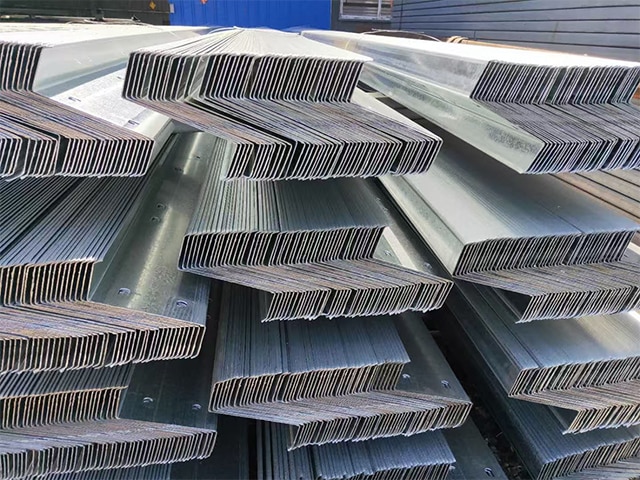
Selecting the right structural steel is a critical decision for industrial construction projects. Material strength, certification requirements, fabrication performance, and supply chain reliability all influence the safety, durability, and efficiency of steel structures.
For heavy-duty applications such as factories, warehouses, bridges, and large industrial frameworks, procurement teams need to evaluate not only steel grades but also documentation, quality control systems, and supplier capabilities.
Understanding Structural Steel Strength Requirements
Mechanical properties are among the most important factors when selecting structural steel.
Yield strength indicates the stress level at which steel begins to experience permanent deformation, while tensile strength represents the maximum stress capacity before fracture. These properties help engineers evaluate whether steel members can safely support expected loads, including static loads, dynamic forces, and environmental stresses.
S355 is one of the commonly used structural steel grades in industrial construction. It provides a suitable balance of strength, weldability, and availability for many load-bearing applications. However, actual performance depends on factors such as plate thickness, design requirements, and project specifications.
When selecting steel for demanding structures, engineers typically consider:
Yield strength and tensile strength
Impact toughness requirements
Weldability
Fabrication requirements
Environmental exposure conditions
A balanced combination of strength and ductility helps ensure that steel structures maintain reliable performance throughout their service life.
Certification and Traceability Requirements for Structural Steel
Reliable documentation is essential for structural steel procurement.
EN 10204 defines different levels of inspection documentation. Type 3.1 certificates are commonly provided by manufacturers to confirm that products meet specified requirements through documented testing. Type 3.2 certificates involve additional third-party inspection or verification and may be required for projects with stricter quality requirements.
Material traceability allows project teams to verify:
Steel grade and chemical composition
Mechanical properties
Heat numbers and production records
Manufacturing quality documentation
For industrial projects, maintaining complete material records improves quality control and provides confidence throughout fabrication, installation, and future maintenance.
Choosing Between S355 Steel and HSLA Steel
Different structural applications require different material solutions.
S355 steel is widely used because it offers a practical balance between strength, weldability, and cost efficiency. It is suitable for many industrial buildings and general structural applications.
For projects where reducing structural weight or improving performance is important, High-Strength Low-Alloy (HSLA) steel may provide advantages. Through controlled alloying and manufacturing processes, HSLA steels can achieve higher strength levels while maintaining good fabrication characteristics.
Typical advantages of HSLA steel include:
Improved strength-to-weight efficiency
Reduced material usage in optimized designs
Good weldability for fabrication
Suitable performance in demanding structural applications
The choice between S355 and HSLA steel should consider project requirements, fabrication capabilities, transportation conditions, and lifecycle costs.
Selecting Steel for Cold Environments and Harsh Conditions
Environmental conditions play an important role in steel selection.
For projects exposed to low temperatures, impact toughness becomes especially important. Grades such as S355ML are designed for applications requiring improved low-temperature toughness compared with standard grades.
In colder regions or offshore environments, selecting steel with suitable impact performance helps reduce the risk of brittle fracture and improves structural reliability.
For corrosion-prone environments, additional protection strategies may include:
Weathering steel solutions where environmental conditions allow protective patina formation
Hot-dip galvanizing
Protective coating systems
Regular inspection and maintenance programs
The appropriate solution depends on exposure conditions, expected service life, and project requirements.
Building a Reliable Structural Steel Supply Chain
Material quality alone is not enough to guarantee project success. A reliable steel supplier should provide consistent quality control, accurate documentation, and dependable delivery performance.
Key factors to evaluate include:
Material traceability from production to delivery
Quality management procedures
Pre-shipment inspection processes
Fabrication capability
Logistics planning and delivery coordination
Working with an experienced structural steel manufacturer helps reduce risks related to material inconsistency, schedule delays, and fabrication problems.
Why Quality Control Matters in Structural Steel Procurement
A professional steel supplier should integrate quality control throughout the entire production process, including:
Raw material verification
Cutting and forming accuracy
Welding inspection
Surface treatment
Final dimensional checks
Proper quality management ensures that fabricated steel components meet design requirements and perform reliably after installation.
By considering steel grades, certification requirements, environmental conditions, and supplier capabilities, project teams can make better procurement decisions and build safer, more durable industrial structures.
FAQ
What structural steel grade is commonly used for industrial buildings?
S355 is one of the commonly used structural steel grades because it provides a good balance of strength, weldability, and cost efficiency.
What is the difference between EN 10204 Type 3.1 and Type 3.2 certificates?
Type 3.1 certificates provide documented inspection results from the manufacturer, while Type 3.2 certificates include additional independent verification when required by project specifications.
Is HSLA steel better than S355 steel?
HSLA steel may provide advantages in projects where higher strength-to-weight efficiency is required. The best choice depends on structural design requirements and project conditions.
What factors should be considered when purchasing structural steel?
Important factors include steel grade, mechanical properties, certification, traceability, fabrication quality, and supplier reliability.
Why is steel traceability important?
Traceability helps verify material compliance, supports quality assurance, and provides documentation throughout the construction and maintenance process.
Table of Contents
- Understanding Structural Steel Strength Requirements
- Certification and Traceability Requirements for Structural Steel
- Choosing Between S355 Steel and HSLA Steel
- Selecting Steel for Cold Environments and Harsh Conditions
- Building a Reliable Structural Steel Supply Chain
- Why Quality Control Matters in Structural Steel Procurement
- FAQ