
 EN
EN
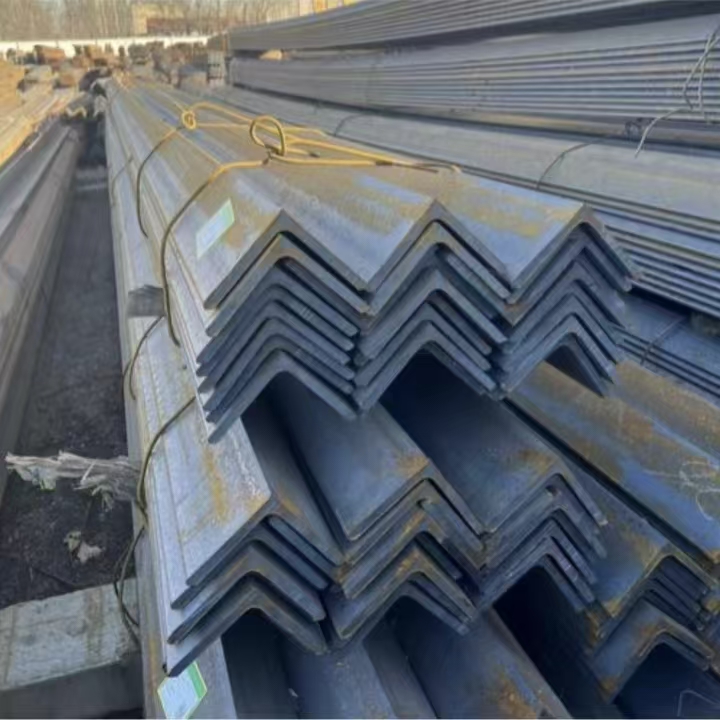
Raw Material Selection & Inspection
The foundation of any reliable steel structure lies in selecting and verifying the right steel. Not all steel is created equal, especially for load-bearing applications. Our projects rely on high-grade steel like Q355, which offers an optimal balance of strength, ductility, and weldability. The process begins with a strict incoming inspection. We verify material certificates, check chemical compositions, and conduct mechanical tests to ensure compliance with standards like GB/T 1591-2018. Visual checks for surface defects and dimensional accuracy are also mandatory. Only steel that passes this rigorous quality control moves to production, ensuring the structural integrity of the final building.
Precision Cutting & Forming
Once approved, the steel is cut and formed to exact specifications. Modern processing relies heavily on CNC machinery for unparalleled accuracy. Plasma or laser cutters slice raw plates and profiles with tolerances as tight as ±0.5mm. Following cutting, the material undergoes forming. Press brakes and rolling machines bend steel into required angles, curves, or complex shapes. For our projects, this stage is critical. We ensure every component, from simple beams to complex trusses, is shaped perfectly. Precise cutting and forming are non-negotiable for seamless assembly and long-term structural stability.
Welding & Assembly
Welding is where individual steel components become a unified structure, and the quality of welds directly determines a building’s safety. Our certified welders use advanced techniques like submerged arc and gas metal arc welding. Before assembly, we perform a dry fit to check all connections. During welding, parameters like current and voltage are tightly controlled to prevent defects. We also conduct non-destructive testing (NDT), such as ultrasonic inspection, to verify weld integrity. A robust assembly process, grounded in expert welding, ensures the steel frame is strong, rigid, and built to last.
Surface Treatment & Protection
Protecting steel from corrosion is essential for longevity. Unprotected steel rusts quickly, weakening the structure. Our process begins with thorough surface preparation, typically via shot blasting, to remove rust and mill scale. This creates a clean, rough surface for coating adhesion. Next, we apply a multi-layer protection system: a primer, an intermediate coat, and a final topcoat. For harsh environments, we use high-performance paints or specialized coatings. This meticulous process shields the steel from moisture and chemicals, ensuring our structures maintain their integrity and appearance for decades.
Final Inspection & Quality Assurance
The final step before shipment is a comprehensive inspection. Every finished steel component undergoes a rigorous review. Our quality control team checks dimensions, verifies weld quality, and measures coating thickness. We also review all documentation, including material test reports and inspection logs, to ensure full traceability. This final audit confirms that every part meets our strict standards and international codes like EN 1090. Our commitment to quality doesn’t end at production; it extends to every project we deliver, ensuring your steel structure is safe, durable, and reliable.