
 EN
EN
Core Value of Adequate Stock Steel in Prefabricated Production
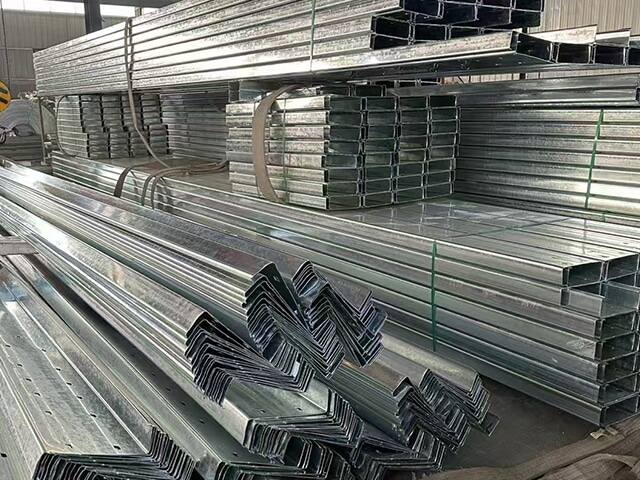
Stable supply of qualified stock steel has always been the most fundamental guarantee for smooth progress of all prefabricated steel component production projects. In the whole industrial chain of prefabricated building manufacturing, all finished steel brackets, steel beams, wall frames and load-bearing supporting parts are processed and shaped on the basis of standard stock steel materials. With rich practical experience in large-scale steel component processing and project supporting, we clearly realize that reasonable stock steel reserve can effectively avoid multiple risks that often appear in actual construction cycles.
Many project progress delays are caused by temporary shortage of raw materials or unstable material quality. As a professional steel product supplier and deep processing manufacturer, we prepare complete specifications of stock steel all year round, covering common carbon structural steel and high-strength low alloy steel materials widely used in prefabricated industries. These reserved stock steel strictly follow unified production standards in smelting, rolling and shaping links, with stable internal texture and balanced mechanical properties. Industry construction experts have repeatedly mentioned that sufficient and standardized stock steel is not only able to shorten the overall project construction cycle, but also keep the production cost of prefabricated components within a controllable range, which plays an irreplaceable role in standardized large-scale production.
Specification Classification and Applicable Scenarios of Conventional Stock Steel
Different types of prefabricated steel components bear different stress loads and use environment requirements, so the matching stock steel types and thickness specifications are also clearly distinguished. In daily production arrangement, we classify all reserved stock steel according to actual processing needs, so that production workshops can directly select materials according to component drawings without waiting for temporary material scheduling.
The medium and thick plate type stock steel is mostly used for making main load-bearing components of prefabricated buildings, including main support beams, foundation connecting parts and large span force-bearing frames. This kind of stock steel features strong compression resistance, good bending resistance and excellent welding performance, and can maintain stable structural performance under long-term heavy load operation. The thin-specification stock steel is more applied to light auxiliary components, enclosure keels, partition frames and exterior decoration supporting parts of prefabricated projects, which takes into account both light weight and basic structural firmness. In many prefabricated factory building and prefab warehouse projects we have cooperated with, unified selection of classified stock steel greatly unified the overall quality standard of finished components, and effectively reduced the hidden dangers of structural difference caused by mixed use of different batches of raw materials.
Quality Control Standards for Reserved Stock Steel Materials
The core significance of preparing stock steel for prefabricated project production lies in unifying raw material quality, so as to ensure that all processed finished steel components have consistent safety performance and service life. All stock steel stored in our material warehouse have passed complete factory performance testing and sampling re-inspection before warehousing. We focus on checking core indicators including chemical composition proportion, tensile strength, yield strength and surface flatness one by one, and eliminate raw materials with uneven hardness, surface cracks and dimensional deviation in advance.
In view of the long-term storage characteristics of stock steel, we also formulate scientific classified storage and maintenance measures. The overall storage environment keeps dry and ventilated, and separate placement is carried out according to material type and use direction, so as to avoid surface rust, oxidation and material performance attenuation caused by damp stacking. Every batch of outgoing stock steel is attached with complete material inspection documents and performance parameter sheets, which can fully meet the raw material acceptance standards of various engineering projects. Strict stock steel quality management mode makes all prefabricated components produced from our reserved raw materials smoothly pass engineering field detection and meet international building structure use specifications.
How Sufficient Stock Steel Optimizes Project Construction Progress
In the actual implementation process of prefabricated steel component projects, the biggest advantage of relying on sufficient stock steel support is reflected in the efficient connection of each production link. After customers confirm component design drawings and construction schemes, production workshops can directly draw materials from the reserved stock steel library to start cutting, forming, welding and surface anti-corrosion processing without spending a lot of time on raw material ordering, production scheduling and arrival waiting.
We once undertook a batch of prefabricated steel structure component customization projects for rapid construction industrial parks. In the early stage of project docking, by virtue of our complete stock steel reserve system, we quickly completed material matching and arranged formal production in a very short time. Compared with the traditional mode of purchasing materials while producing, the whole production cycle was shortened visibly, and the delivery progress was fully ahead of the customer’s expected time node. Meanwhile, stable stock steel supply can also cope with sudden order increase and temporary component specification adjustment in the middle of the project, greatly improving the overall flexibility of project operation and avoiding construction stagnation caused by raw material supply interruption.
Long Term Matching Advantages of Stable Stock Steel Supply Mode
For long-term cooperative prefabricated engineering enterprises and construction contractors, stable stock steel supply is far more practical than temporary bulk purchasing mode. Long-term fixed adoption of our standardized stock steel for component production can form a fixed processing technology matching habit, and the processing equipment parameters and welding process standards can be kept stable for a long time, which is conducive to improving the finished product yield and reducing the scrap loss rate in production.
In addition, unified stock steel raw materials can also make the later maintenance, replacement and partial upgrading of prefabricated steel structures more convenient and unified. When local components are damaged and need to be replaced in the later stage of project operation, the same specification stock steel can be directly used for processing matching parts, and there will be no situation that new and old components cannot be perfectly matched due to different raw material sources and performance differences. We always maintain sufficient inventory reserves of various mainstream specifications of stock steel, continuously optimize the material reserve structure according to the market demand changes of prefabricated construction industry, and take high-quality and sufficient stock steel resources as solid backing to provide stable, efficient and cost-effective raw material supporting services and finished component customized production services for global prefabricated engineering projects.
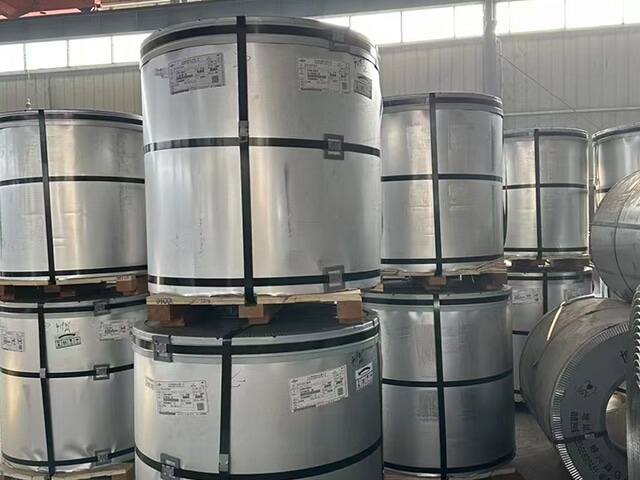
Table of Contents
- Core Value of Adequate Stock Steel in Prefabricated Production
- Specification Classification and Applicable Scenarios of Conventional Stock Steel
- Quality Control Standards for Reserved Stock Steel Materials
- How Sufficient Stock Steel Optimizes Project Construction Progress
- Long Term Matching Advantages of Stable Stock Steel Supply Mode