
 EN
EN
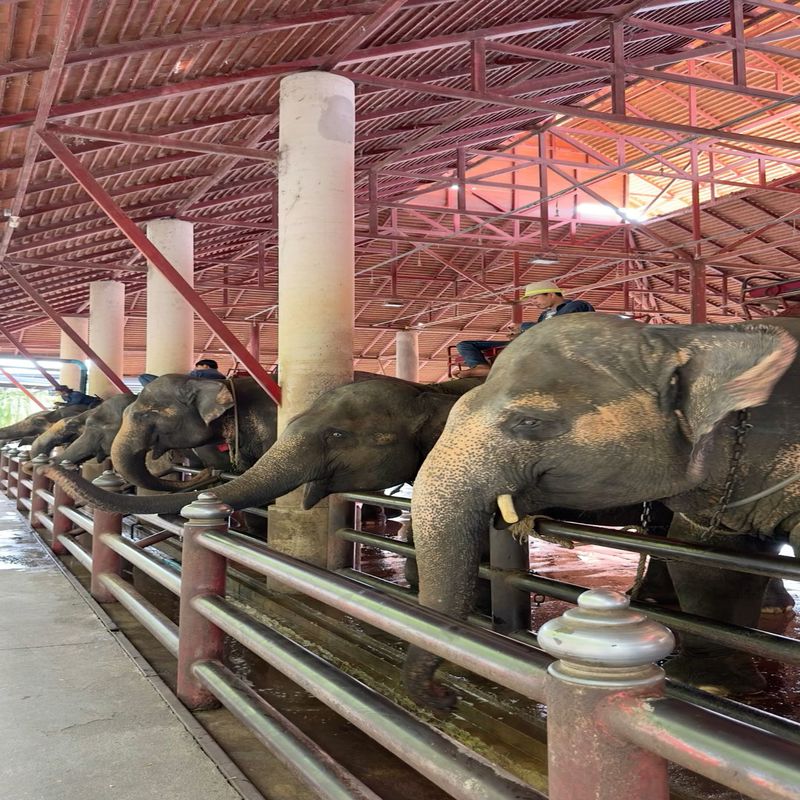
Unmatched Durability and Weather Resistance for Animal Barns
Structural Integrity Under Extreme Conditions
Steel’s high strength-to-weight ratio forms the backbone of a resilient animal barn. Unlike traditional materials, steel frames resist warping, cracking, and decay under severe weather. Engineering data confirms that a properly designed steel animal barn can withstand wind gusts over 150 mph and snow loads up to 50 pounds per square foot (American Society of Civil Engineers, 2022). This innate toughness protects livestock from collapsing roofs and wall failures during hurricanes, blizzards, or heavy rain. Steel’s ductility also absorbs seismic energy, making it a preferred choice in earthquake-prone regions. The table below highlights how steel outperforms conventional wood framing in critical stress factors.
| Factor | Steel Frame Animal Barn | Wood Frame Animal Barn |
|---|---|---|
| Wind resistance | Up to 170 mph (engineered) | Typically limited to 90–110 mph |
| Snow load capacity | 50+ psf without deflection | 30–40 psf, risk of sagging |
| Fire resistance | Non-combustible, Class A rating | Combustible, often requires chemical treatment |
| Pest & rot resistance | Impervious to termites and fungi | Vulnerable to termites, rot, mold |
These comparative advantages make steel the safest long-term bet for any animal barn, minimizing downtime and loss after extreme events.
Corrosion-Resistant Coatings for Long-Term Animal Barn Performance
Steel used in modern animal barns is coated with advanced protective layers—most commonly hot-dip galvanizing—that create a metallurgical bond resistant to moisture and ammonia-rich barn atmospheres. Long-term field studies show galvanized steel in agricultural settings delivers 50 years or more of maintenance-free service (American Galvanizers Association, 2023). Additional powder coatings or epoxy primers provide secondary protection against scratches and acid rain. Crucially, even when scratched, the zinc layer sacrifices itself to protect underlying steel via cathodic protection—a self-healing mechanism that preserves structural integrity over decades. This eliminates the hidden costs of deterioration common in untreated metal or wood structures, ensuring consistent performance without recurring repainting or panel replacement.
Enhanced Safety, Security, and Fire Resistance in Animal Barns
Non-Combustible Steel Framework: Critical Fire Protection for Livestock
Fire poses a catastrophic risk to livestock operations, where rapid spread can lead to total herd loss within minutes. Steel is inherently non-combustible: it does not ignite, fuel, or contribute to flame propagation. Unlike wood-frame barns—where structural collapse begins at temperatures above 300°F—steel maintains load-bearing capacity well beyond typical fire conditions. Leading manufacturers engineer steel frameworks to meet stringent fire codes, often achieving two-hour fire-resistance ratings. With no flammable structural members, steel eliminates hidden fire paths and toxic smoke generation, improving evacuation safety for animals and first responders alike. As a passive, maintenance-free fire protection system, steel delivers continuous, reliable defense—dramatically lowering the probability of total loss.
Pest-Proof Animal Barn Design Eliminates Rodent and Insect Entry Points
Rodents and insects cause significant damage in traditional barns—chewing through wood, contaminating feed, and spreading disease. Steel barns deny pests nesting materials and entry points by design: smooth, continuous panels and precision-engineered connections leave no gaps for mice or rats to exploit, while steel’s hardness resists gnawing. Unlike porous wood, steel does not absorb moisture that attracts termites or carpenter ants. All ventilation and utility openings are sealed with galvanized steel mesh or gasketed closures, creating a true biosecurity barrier. The result is a cleaner, healthier environment—reducing veterinary costs, feed spoilage, and labor spent on pest control—so farm managers can focus on production, not constant repairs.
Long-Term Cost-Effectiveness and ROI of Steel Animal Barns
Reduced Lifetime Maintenance Costs Over a 50-Year Animal Barn Lifespan
Steel animal barns significantly lower total ownership expenses by eliminating the recurring maintenance that plagues wood structures. Galvanized steel remains dimensionally stable and pest-resistant across decades—no rot, warping, or termite damage means no board replacements, chemical treatments, or structural shoring. Industry analysis shows lifetime maintenance outlays for steel barns are roughly 40% less than comparable wood-frame alternatives (2023 industry benchmark). Its non-porous surface prevents moisture absorption, inhibiting mold growth and structural decay—the leading drivers of costly repairs in traditional barns. By the third decade, the initial investment premium is typically recouped through avoided upkeep, transforming steel from a capital expense into a long-term financial advantage for forward-thinking operations.
Design Flexibility and Customization for Modern Animal Barn Operations
Modular Steel Construction Supports Species-Specific Ventilation and Insulation
Steel’s clear-span framing eliminates interior columns, giving operators full flexibility to optimize airflow, lighting, and insulation for species-specific needs—dairy cattle benefit from steady cross-ventilation, while poultry require precise temperature and humidity control. Modular components allow precise placement of ridge vents, cupolas, and sidewall openings to create tailored microclimates. Insulation integrates seamlessly into the steel envelope, maintaining consistent interior conditions year-round. Adjustable stall dividers, feeding alleys, and wash bays can be reconfigured as management practices evolve—maximizing productivity without structural overhauls. This built-in adaptability ensures the barn remains operationally efficient for decades, not just a single production cycle.
Scalable Expansions Without Structural Compromise for Growing Herds
Clear-span steel structures simplify expansion: adding a new bay to the gable end or widening side panels uses identical bolt-together connections—no foundation reconstruction or load-bearing wall removal required. The original frame retains its integrity, so a 40-foot barn can expand to 60 or 80 feet without sacrificing strength. Upward expansion is equally viable—adding a second story for hay storage or equipment integration requires minimal disruption. Because the frame is pre-engineered for future loads, capacity increases align seamlessly with herd growth, keeping the animal barn a scalable, long-term asset—not a fixed limitation.
FAQ
Why is steel a better choice than wood for animal barns?
Steel offers superior durability, weather resistance, fire resistance, and pest resistance compared to wood. It minimizes long-term maintenance and provides reliable structural performance in extreme conditions.
What coatings are applied to steel for use in barns?
Most steel used in barns is coated with hot-dip galvanizing for corrosion resistance. Additional coatings like powder coatings or epoxy primers may also be applied for enhanced durability.
How does steel improve fire safety in animal barns?
Steel is non-combustible and does not ignite or fuel fires. It maintains load-bearing capacity during fire events and meets stringent fire safety codes, reducing the risk of structural collapse and improving evacuation safety.
Can steel barns be expanded easily as herds grow?
Yes, the modular construction of steel barns allows for seamless expansions. Additional bays or stories can be added without foundation reconstruction or compromising structural integrity.
What is the expected lifespan of a steel animal barn?
With proper galvanizing and protective coatings, steel barns can offer maintenance-free performance for 50 years or more, making them a cost-effective long-term investment.