
 EN
EN
Detailed Drafting and Three Dimensional Engineering Models
The journey of any massive structural development starts long before heavy machinery arrives at the job site. In the modern commercial sector, the very first critical phase of a successful steel construction project centers on advanced digital drafting and architectural modeling. Structural engineers utilize specialized three-dimensional building information modeling software to map out the exact geometric profile of every column, beam, and truss down to the millimeter. This digital phase allows design teams to run complex load-bearing simulations, identifying potential stress concentrations or component clashes before any physical metal is cut. Leading structural architecture firms consistently emphasize that catching design errors during the digital modeling stage slashes field modification costs and prevents costly scheduling delays. By building an incredibly detailed, comprehensive digital skeleton, the engineering team establishes an airtight blueprint that ensures perfect alignment and smooth mechanical continuity throughout the entire life of the project.
Advanced Metallurgy and Precision Factory Fabrication Methods
Once the digital blueprints are thoroughly verified and approved, the project transitions into the controlled environment of a heavy industrial fabrication facility. This specialized phase is where advanced metallurgy meets high-capacity automated machinery to transform raw carbon alloys into high-performance structural elements. Industrial fabrication guidelines dictate that heavy structural members must undergo precision cutting, drilling, and welding using computer numerical control systems to eliminate human error. In my extensive field experience managing complex logistics for international commercial developments, I have seen firsthand how utilizing low-grade metal processing leads to severe field misalignments and structural vulnerabilities. Premium production lines ensure durability by applying advanced anti-oxidative treatments, such as hot-dip zinc coatings and industrial fire-retardant primers. Investing in these heavy-duty raw metals and advanced chemical finishes guarantees that the finished components resist rust and maintain their structural integrity through decades of intense climate exposure.
Rigorous Global Compliance Verification and Non Destructive Quality Testing
For international project managers, general contractors, and corporate developers, ensuring absolute safety compliance is the non-negotiable benchmark of industrial fabrication quality. A commercial metal framework acts as the vital safety shield for thousands of daily occupants, meaning every single weld and joint must be entirely flawless. Because of these immense real-world safety demands, fabricated elements must undergo highly rigorous quality testing protocols before leaving the factory floor. This thorough technical verification process includes non-destructive ultrasonic weld inspection, precise magnetic particle testing, and intensive physical load simulations. International building safety boards point out that every heavy column splice, beam junction, and custom truss assembly must maintain perfect mechanical alignment under sudden environmental stresses like high wind shears or seismic events. Partnering with a manufacturing specialist that utilizes fully certified, independent laboratory testing protects your investor capital and secures smooth regulatory approval across diverse global markets.
Tactical Site Logistics and Systematic Field Erection Workflows
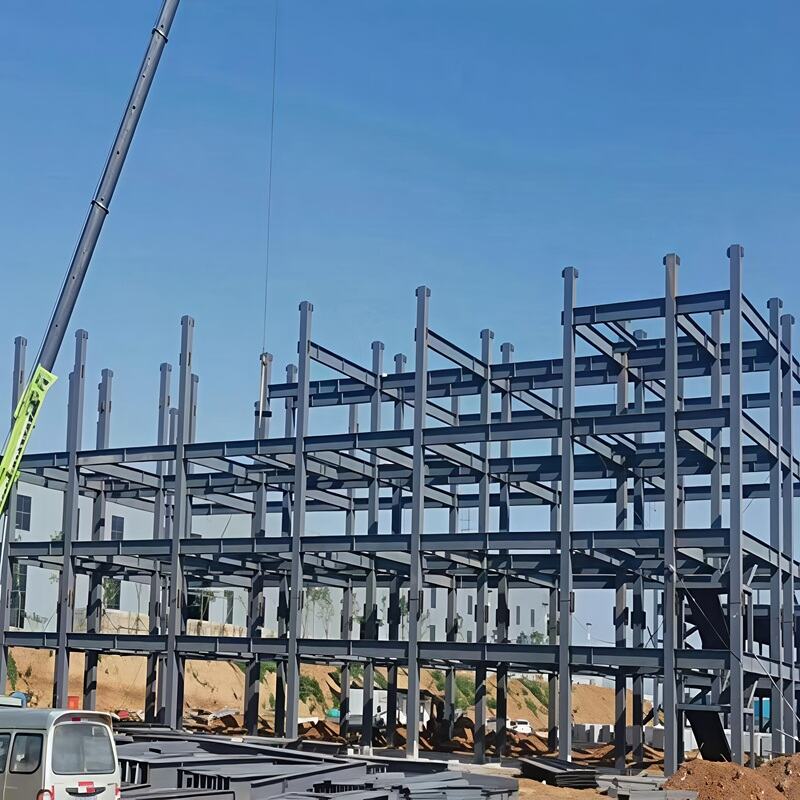
Moving massive pre-fabricated sections from a controlled factory floor to a bustling urban construction site demands meticulous tactical logistics and a highly organized field erection workflow. Erection crews rely on massive heavy-lift cranes and specialized rigging equipment to systematically lift, position, and bolt the heavy framework together in a precise sequence. To maximize structural safety during this dynamic phase, field technicians install temporary bracing networks that stabilize the vertical columns until the permanent horizontal floor beams are completely secured. Structural engineering consultants highlight that maintaining a strict erection sequence prevents structural deflection and keeps the entire grid perfectly plumb. Providing a pre-engineered structural network minimizes the need for loud, dangerous field modifications, slashes on-site labor requirements, and ensures an incredibly swift, safe, and highly efficient assembly experience that keeps large-scale developments moving well ahead of schedule.
Elite Manufacturing Excellence and Global Infrastructure Supply Chain Reliability
For global general contractors, commercial developers, and engineering firms looking to bring complex structural designs to life, partnering with an elite industrial specialist is the ultimate key to commercial success. This exact intersection of strict material science, flawless aesthetic styling, and high-capacity production scale is where Slggsteel establishes itself as a trusted global industry leader. Operating from state-of-the-art production facilities, Slggsteel specializes in executing heavy steel construction configurations tailored to the exact specifications of major global commercial building projects. The enterprise stands out by utilizing sustainable, certified high-strength raw components and integrating advanced automated welding lines that deliver exceptional structural longevity. Whether executing high-volume structural component contracts or engineering custom-shaped long-span trusses from scratch, Slggsteel oversees every phase with meticulous quality control. This end-to-end industrial expertise makes the company the top choice for brands seeking to deliver flawless, market-ready structural solutions worldwide.
Table of Contents
- Detailed Drafting and Three Dimensional Engineering Models
- Advanced Metallurgy and Precision Factory Fabrication Methods
- Rigorous Global Compliance Verification and Non Destructive Quality Testing
- Tactical Site Logistics and Systematic Field Erection Workflows
- Elite Manufacturing Excellence and Global Infrastructure Supply Chain Reliability