
 EN
EN
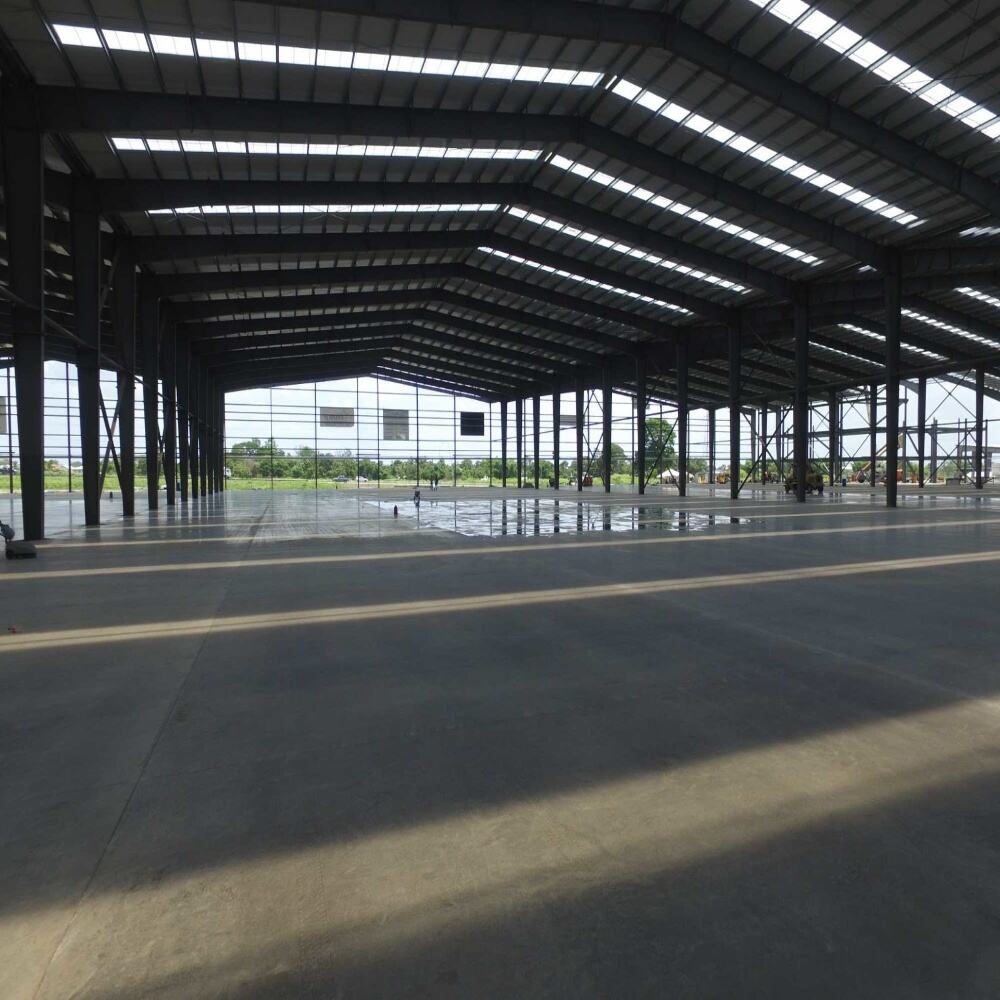
Mastering Structural Efficiency and Spatial Flexibility in Modern Architecture
When launching a massive commercial development, the primary framework determines the long-term success, financial viability, and structural adaptability of the entire property. In the modern commercial sector, utilizing a heavy steel construction setup has quickly become the absolute benchmark for forward-thinking property developers. Unlike traditional concrete methodologies that demand massive, space-consuming columns and thick load-bearing partitions, structural alloys provide an exceptional strength-to-weight ratio. This mechanical superiority allows architects to implement expansive clear-span designs, creating wide-open interior configurations that can be effortlessly rearranged as tenant needs evolve over time. Structural engineering firms consistently emphasize that maximizing usable floor area directly increases a building’s market valuation and long-term rental income. By removing structural barriers and optimizing vertical height clearance, high-grade fabrication lines provide a highly flexible structural foundation that easily adapts to shifting corporate office layouts, logistics hubs, and premium retail spaces.
Advanced Metallurgy and Precision Engineering for Extreme Durability
Sourcing top-tier structural components represents a critical phase where sophisticated architectural layouts meet harsh real-world environmental and load-bearing challenges. Large-scale corporate developments face immense structural demands, including high wind resistance, seismic forces, and continuous dead-load stresses. To guarantee absolute safety and long-term reliability for global investments, deploying heavy-duty steel construction techniques utilizing high-strength carbon alloys and certified non-corrosive treatments is an absolute priority. In my extensive hands-on experience managing major commercial construction timelines, utilizing low-grade metal frameworks leads to severe issues like structural deflection, field misalignment, and premature rust degradation. Materials engineering consultants highlight that treating structural members with advanced hot-dip zinc coatings and specialized fire-retardant primers prevents oxidation and maintains structural integrity. Investing in these heavy-duty raw metals guarantees that the finished skyscraper or distribution center retains its structural safety and sleek appearance through decades of intense climate exposure.
Navigating Complex Global Compliance and Rigorous Structural Testing Protocols
For international project managers, corporate developers, and main contractors, securing airtight regulatory compliance is the ultimate measure of industrial fabrication quality. A heavy commercial framework is not just a structural skeleton; it is a vital safety shield that protects thousands of occupants daily. Because of these immense safety requirements, custom heavy steel construction programs must adhere to highly rigorous testing protocols before any components arrive at the job site. This comprehensive technical verification process includes non-destructive ultrasonic weld inspection, precise magnetic particle testing, and intensive load-bearing simulation models. International building safety standards dictate that every single beam junction, heavy column splice, and truss connection must maintain perfect mechanical alignment under sudden wind shears or seismic events. Partnering with a manufacturing facility that utilizes fully certified, independent laboratory testing ensures that all fabricated elements meet or exceed strict global compliance metrics, protecting your brand reputation and investor capital.
Seamless Integration of Modular Pre-fabrication Methods for Accelerated Project Timelines
Modern commercial real estate markets demand incredibly rapid project delivery cycles, as extended construction schedules directly lead to high financing costs and delayed revenue generation. Achieving a swift, seamless erection process requires the strategic application of modular pre-fabrication principles during the early drafting and modeling phases. Industrial structural designers utilize precise three-dimensional building information modeling systems to map out the exact geometric dimensions of every component down to the millimeter. This detailed digital planning allows fabrication shops to cut, drill, and weld massive sections in a controlled factory environment. Balancing these intricate mechanical tolerances before shipping allows field erection teams to bolt the steel construction assemblies together effortlessly once they arrive on site. Providing a pre-engineered structural network minimizes costly field modifications, slashes on-site labor requirements, and ensures an incredibly efficient, safe, and organized assembly experience that keeps massive commercial developments ahead of schedule.
High Capacity Industrial Fabrication and Global Supply Chain Excellence
For international general contractors, commercial developers, and engineering firms looking to execute complex structural designs, partnering with an elite manufacturing specialist is essential for long-term project viability. This precise intersection of advanced metallurgy, rigorous quality control, and elite fabrication capability is where Slggsteel establishes itself as a trusted global industry leader. Operating from state-of-the-art production facilities, Slggsteel specializes in executing heavy steel construction configurations tailored to the exact specifications of major commercial building projects. The enterprise stands out in the competitive B2B marketplace by utilizing sustainable, certified high-strength raw metals and integrating advanced automated welding lines that deliver exceptional structural longevity. Whether managing high-volume structural component contracts or manufacturing custom-engineered long-span trusses from scratch, Slggsteel oversees every phase with meticulous quality control and strict adherence to international safety metrics. This comprehensive end-to-end expertise makes the company the premier choice for firms seeking to deliver flawless, market-ready commercial developments worldwide.
Table of Contents
- Mastering Structural Efficiency and Spatial Flexibility in Modern Architecture
- Advanced Metallurgy and Precision Engineering for Extreme Durability
- Navigating Complex Global Compliance and Rigorous Structural Testing Protocols
- Seamless Integration of Modular Pre-fabrication Methods for Accelerated Project Timelines
- High Capacity Industrial Fabrication and Global Supply Chain Excellence