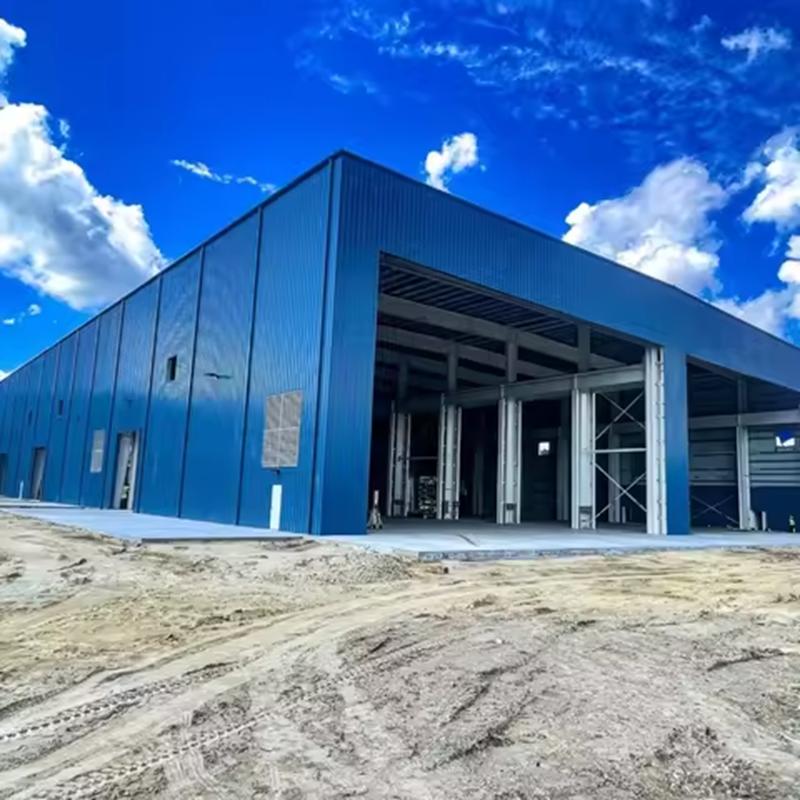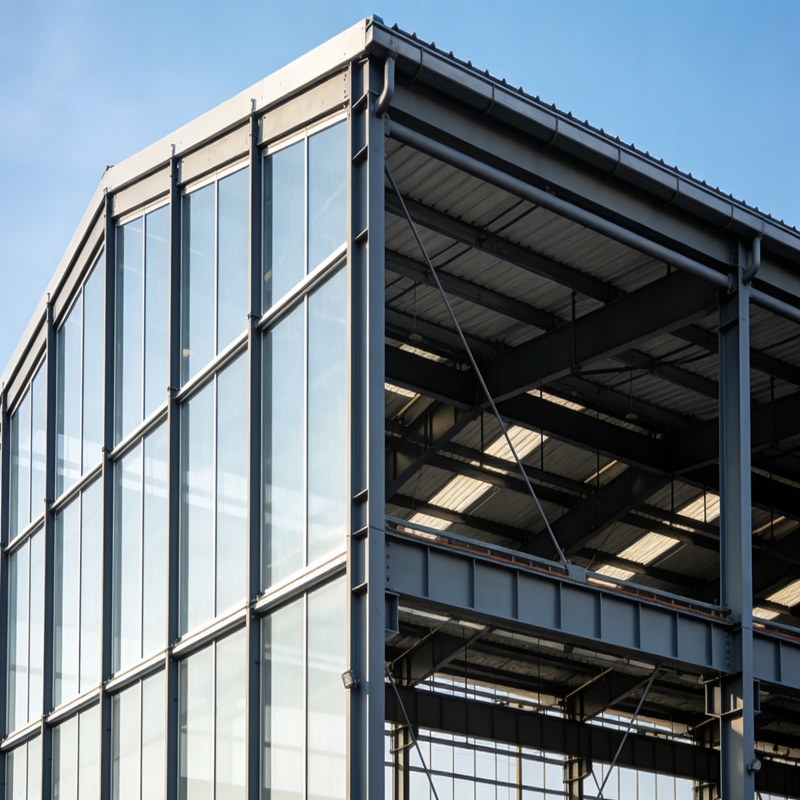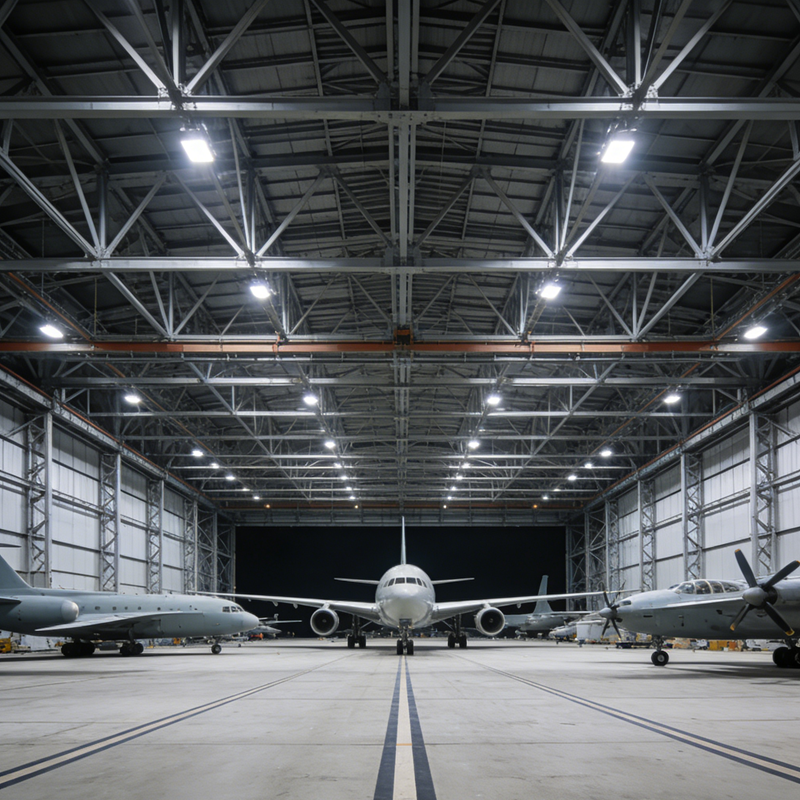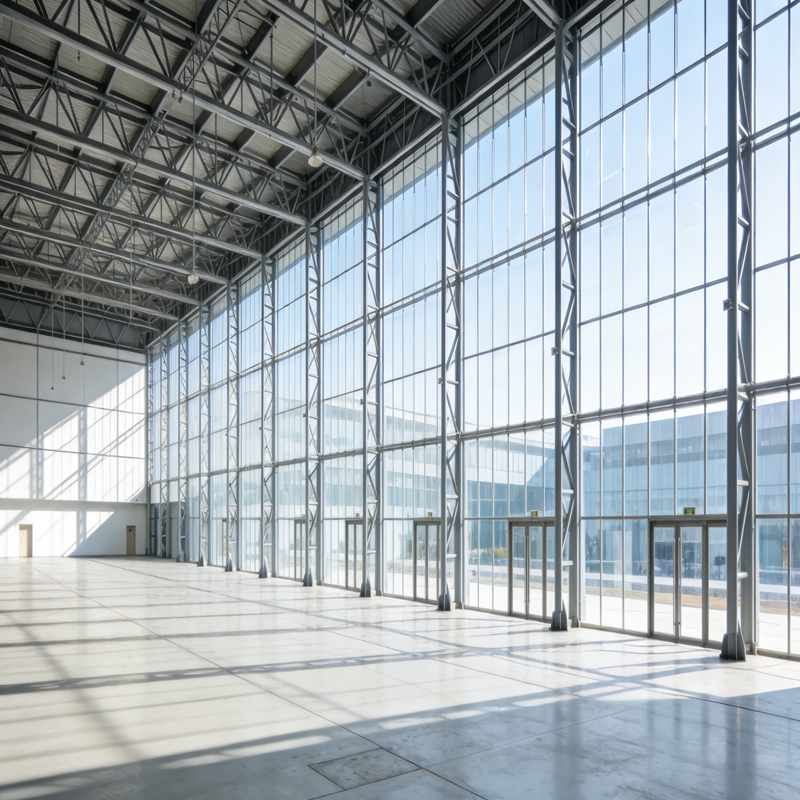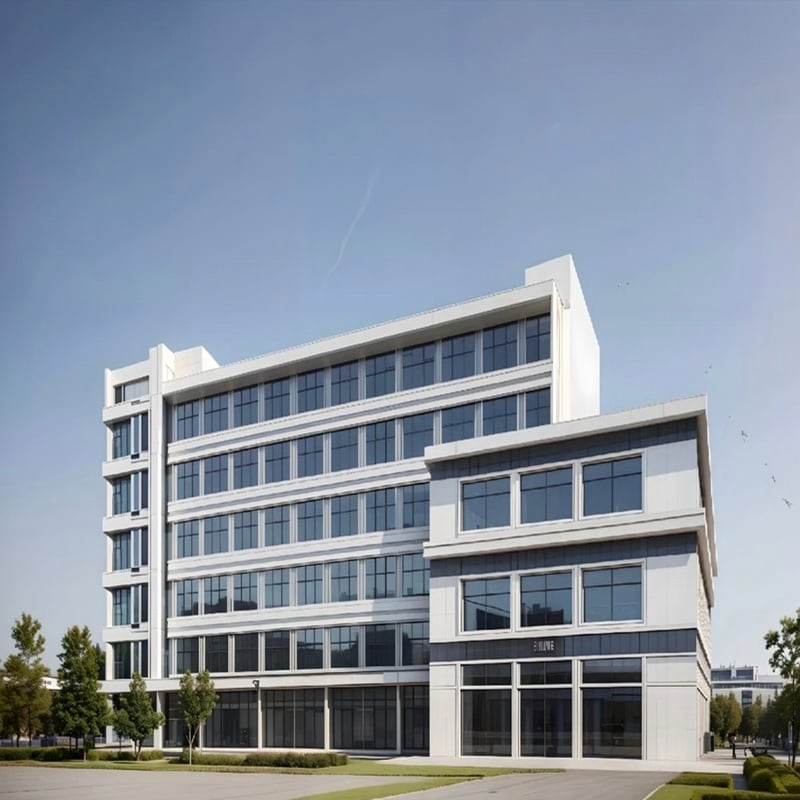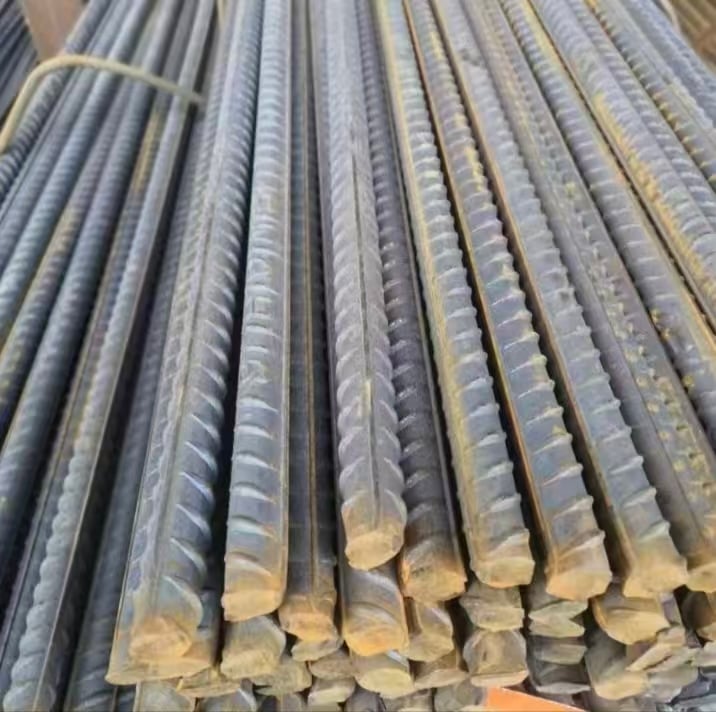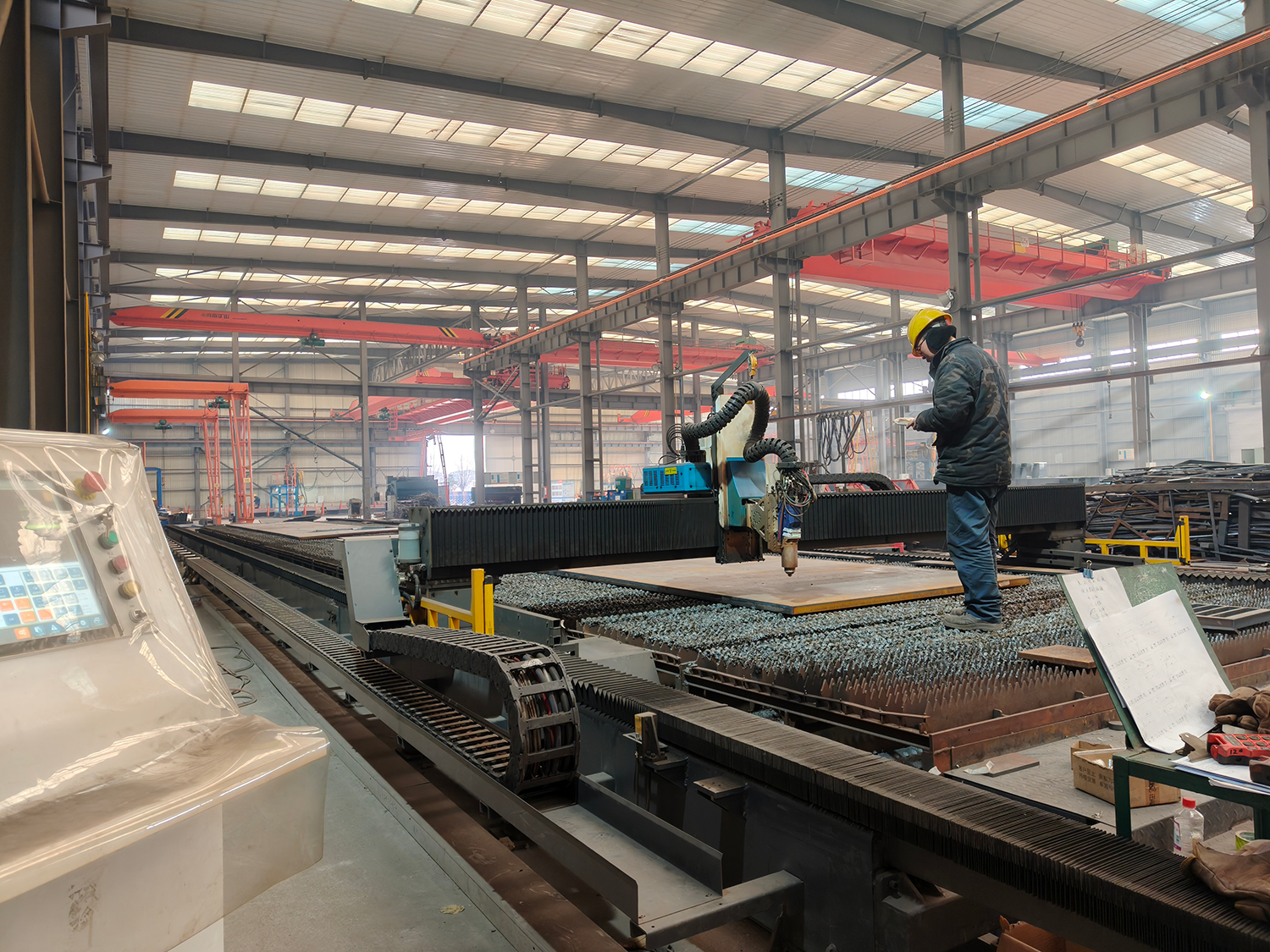
The global prefabricated steel structure sector is embracing a new phase of intelligent and low-carbon transformation in 2026. Driven by global infrastructure investment, urbanization, and carbon neutrality goals, steel structure buildings have become the preferred solution for industrial workshops, logistics centers, commercial facilities, and public buildings. As a highly efficient, eco-friendly, and recyclable building system, the industry is shifting from traditional manufacturing to digital intelligent manufacturing and green low-carbon development, marking a new era of high-quality growth.
Driven by policy and market demand, the global steel structure market maintains steady expansion. In China, the “15th Five-Year Plan” for construction clearly supports prefabricated buildings, requiring the proportion of prefabricated buildings in new urban constructions to exceed 40% by 2030. Meanwhile, emerging markets in Southeast Asia, the Middle East, and Africa are accelerating industrial & logistics infrastructure, bringing huge incremental demand for prefabricated steel structures. Industry data shows the global prefabricated steel construction market will exceed $200 billion in 2026, with an annual growth rate of over 8%.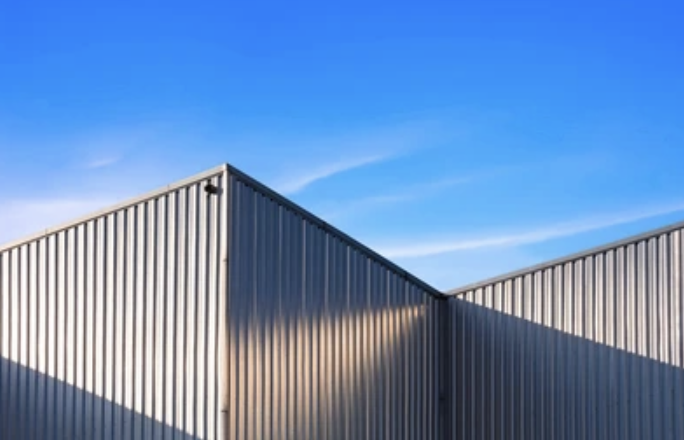
Technological innovation becomes core competitiveness. Leading enterprises widely apply BIM digital design, automated production lines, and 3D precision machining. Factory fabrication replaces messy on-site work; components are cut, welded, and assembled with high precision, improving efficiency by 5–10 times and reducing material waste by over 20%. Robot welding, drone inspection, and digital monitoring are increasingly used, enhancing safety, quality stability, and delivery efficiency.
Green development leads industry trends. Steel is 100% recyclable, with almost no construction waste. New energy-saving sandwich panels (EPS, rock wool, PU) greatly improve thermal insulation, cutting building energy consumption by 30%–50%. Low-carbon steel and green production processes help projects reduce carbon emissions, matching global “dual carbon” strategies. More developers and governments prioritize steel structures for sustainable goals.
Application scenarios keep expanding. Steel structures are widely used in warehouses, factories, logistics centers, offices, supermarkets, schools, stadiums, and data centers. Their advantages—fast construction, flexible layout, expandability, and cost savings—fit modern construction needs. For e-commerce and manufacturing, fast-delivered steel workshops & logistics centers effectively shorten project cycles and speed up operation.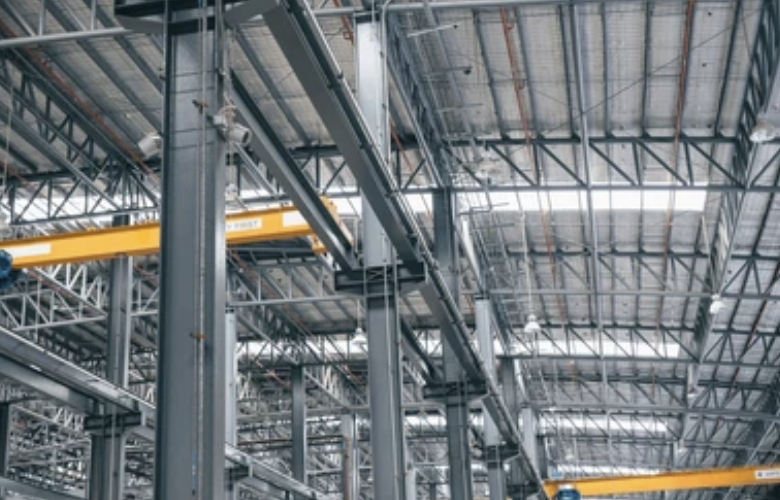
Industry competition upgrades to comprehensive solutions. Enterprises transform from component suppliers to one-stop solution providers, offering design, production, construction, and after-sales service. Customized solutions for different industries meet personalized needs. Shuangli and other manufacturers focus on R&D and quality, providing reliable, cost-effective products that serve global customers and enhance Chinese steel structure brands.
Looking ahead, the steel structure industry will continue deepening integration of intelligence, greenness, and industrialization. With technological breakthroughs and market expansion, steel structures will play a bigger role in global construction. As a key part of modern construction, the industry will keep innovating, promote building-industry transformation, and contribute to sustainable development worldwide.
 Hot News
2026-02-26
2026-01-16
2026-01-10
China steel structure manufacturer since 2008. 100,000m² factory, 30,000 tons/year. Custom steel buildings, grid trusses, profiled steel sheets & prefab houses. ISO/CE/GOST certified, exporting to 70+ countries. Free design & FOB quote in 24h.
No. 62-1, Zhenxing Street, Dayushan Park, Lianshan District, Huludao City, Liaoning Province, China
Copyright © 2026 by Liaoning Shuangli Construction (Group) Co., Ltd. Privacy Policy
 EN
EN