
 EN
EN
Hiểu rõ về ống thép trong xây dựng kết cấu hiện đại
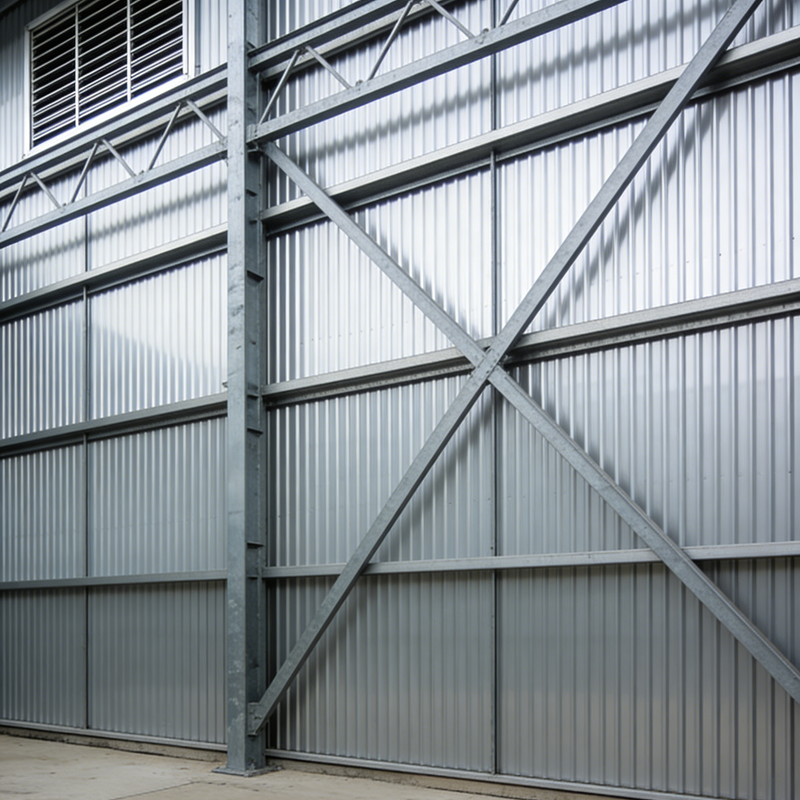
Với hơn 18 năm kinh nghiệm trong lĩnh vực kỹ thuật kết cấu thép, tôi đã tham gia vào vô số dự án, bao gồm nhà xưởng, kho bãi, công trình nông nghiệp, tòa nhà văn phòng và các cơ sở hạ tầng công cộng. Ống thép là một trong những thành phần được sử dụng rộng rãi nhất trong các kết cấu này, dùng làm khung chịu lực, liên kết, hệ giằng và các hệ thống lắp đặt chức năng. Viện Kỹ thuật Kết cấu Thép Hoa Kỳ (American Institute of Steel Construction) nhấn mạnh rằng việc lựa chọn đúng kích thước ống thép trực tiếp góp phần nâng cao độ ổn định, độ an toàn và tuổi thọ phục vụ của công trình. Công ty chúng tôi được thành lập năm 2008 và đã phát triển thành một doanh nghiệp kết cấu thép chuyên nghiệp, cung cấp đầy đủ dịch vụ từ nghiên cứu và phát triển (R&D), thiết kế, gia công, sản xuất đến thi công. Chúng tôi cung cấp các loại ống thép phù hợp cùng phụ kiện hỗ trợ đi kèm cho mọi công trình kết cấu thép do mình thực hiện, với quy trình kiểm soát chất lượng nghiêm ngặt và đạt các chứng nhận quốc tế. Việc lựa chọn đúng kích thước ống thép không phải là quyết định mang tính ngẫu nhiên; thay vào đó, nó phụ thuộc vào yêu cầu tải trọng, chiều cao công trình, thiết kế nhịp và các tình huống ứng dụng cụ thể. Trong thực tế thi công, tôi đã chứng kiến nhiều vấn đề phát sinh do lựa chọn sai kích thước ống thép, chẳng hạn như khả năng chịu tải không đủ, kết cấu không ổn định hoặc lãng phí vật liệu. Chính vì vậy, chúng tôi luôn cung cấp các giải pháp chuyên biệt về lựa chọn kích thước ống thép nhằm đảm bảo cả yếu tố an toàn lẫn hiệu quả kinh tế.
Cách chọn kích thước ống thép phù hợp cho các kết cấu khác nhau
Kích thước của các ống thép phải phù hợp với đặc tính chịu ứng suất của các công trình xây dựng có kết cấu khác nhau. Trong các công trình nhà nông nghiệp có nhịp nhỏ và các nhà kho thấp tầng, chúng tôi thường sử dụng ống thép cỡ trung bình với đường kính và độ dày thành ống vừa phải, nhằm đảm bảo độ ổn định đầy đủ mà không phát sinh chi phí thừa. Đối với các xưởng sản xuất có nhịp lớn, nhà để máy bay (hangar) và các tòa văn phòng cao tầng, chúng tôi lựa chọn ống thép có đường kính lớn hơn và thành ống dày hơn để đáp ứng yêu cầu chịu tải trọng cao hơn cũng như khả năng chống gió tốt hơn. Dựa trên kinh nghiệm thực tế tại hiện trường, mỗi dự án đều phải tính toán ứng suất bên trong, tải trọng bên ngoài và khoảng cách giữa các điểm tựa trước khi xác định kích thước ống thép. Đội ngũ kỹ thuật của chúng tôi tuân thủ nghiêm ngặt các quy chuẩn xây dựng toàn cầu và kết hợp độ chính xác của gia công CNC để đảm bảo từng ống thép đều lắp ghép hoàn hảo. Chúng tôi cung cấp đầy đủ thông số kỹ thuật của ống thép nhằm phù hợp với kết cấu thép nhẹ hoặc kết cấu thép nặng. Toàn bộ ống thép mà chúng tôi sử dụng đều được chế tạo từ vật liệu thép cường độ cao, đồng nhất với khung thép Q355 do chúng tôi sản xuất, từ đó đảm bảo hiệu suất đồng đều và liên kết đáng tin cậy. Việc lựa chọn kích thước phù hợp giúp ống thép phát huy tối đa vai trò kết cấu đồng thời duy trì tính hiệu quả về chi phí cho toàn bộ dự án.
Kích thước ống thép cho cấu trúc nhịp vượt và cấu trúc chịu tải trọng nặng
Các cấu trúc có khẩu độ thông thủy và tải trọng lớn đặt ra yêu cầu khắt khe hơn đối với kích thước ống thép. Nhiều dự án của chúng tôi bao gồm kho hàng khẩu độ rộng, xưởng công nghiệp và các tòa nhà giàn không gian lớn. Những cấu trúc này cần hệ thống chống đỡ mạnh mẽ, trong đó ống thép đóng vai trò là các bộ phận gia cường và liên kết chủ chốt. Theo dữ liệu thử nghiệm kỹ thuật, ống thép có kích thước hợp lý có thể nâng cao hơn 20% khả năng chịu cắt tổng thể cũng như hiệu suất chống động đất của công trình. Trong một dự án xưởng sản xuất hạng nặng quy mô lớn, chúng tôi đã nâng cấp kích thước ống thép dựa trên tính toán kỹ lưỡng, và cấu trúc cuối cùng đã vượt qua thành công các bài kiểm tra tải trọng gió và tải trọng tuyết cao với độ ổn định xuất sắc. Ống thép của chúng tôi được sản xuất theo các tiêu chuẩn nghiêm ngặt, bao gồm chứng nhận Hệ thống ISO ba tiêu chuẩn, chứng nhận EN 1090 của Liên minh Châu Âu và chứng nhận GOST. Chúng tôi luôn lựa chọn kích thước ống thép đáp ứng đầy đủ các yêu cầu về an toàn kết cấu, tuyệt đối không giảm kích thước nhằm cắt giảm chi phí. Khách hàng đã sử dụng ống thép và giải pháp kết cấu của chúng tôi đều đánh giá cao hiệu suất ổn định và độ tin cậy lâu dài của sản phẩm.
Kích thước ống thép phù hợp với việc lắp đặt và độ bền
Kích thước của các ống thép cũng ảnh hưởng đến việc lắp đặt tại hiện trường, hiệu quả lắp ráp và độ bền về sau. Theo kinh nghiệm quản lý dự án của tôi, các ống thép có kích thước phù hợp sẽ dễ căn chỉnh, cố định và nối ghép hơn, giúp quá trình thi công nhanh hơn và chính xác hơn. Tất cả các bộ phận của chúng tôi đều được gia công trên dây chuyền sản xuất CNC, do đó kích thước của các ống thép cực kỳ chính xác và ăn khớp hoàn hảo với các chi tiết khác. Độ chính xác này giúp giảm thiểu các điều chỉnh tại hiện trường và rút ngắn toàn bộ thời gian thi công. Ngoài ra, kích thước phù hợp của các ống thép còn cải thiện độ bền: ống quá nhỏ có thể biến dạng dưới tác dụng của ứng suất, trong khi ống quá lớn lại gây tải thừa và làm tăng chi phí. Các ống thép của chúng tôi được phủ lớp chống ăn mòn và có thể hoạt động bền bỉ trong hàng chục năm ở nhiều môi trường khác nhau, bao gồm khu vực nông nghiệp ẩm ướt, vùng ven biển và khu công nghiệp. Việc lựa chọn kích thước phù hợp kết hợp với hiệu năng vật liệu đảm bảo rằng các ống thép duy trì được độ nguyên vẹn cấu trúc trong thời gian dài, từ đó giảm chi phí bảo trì cho chủ đầu tư công trình.
Giải pháp Ống Thép Được Cá Nhân Hóa cho Các Dự án Cấu Trúc Đầy Đủ Dịch Vụ
Là nhà cung cấp kết cấu thép hàng đầu với hơn 18 năm kinh nghiệm, chúng tôi không chỉ cung cấp ống thép mà còn mang đến giải pháp kích thước tùy chỉnh cho từng dự án. Chúng tôi cung cấp dịch vụ trọn gói bao gồm tư vấn kỹ thuật, thiết kế kết cấu, kiểm tra mẫu, gia công thành phần, lắp đặt tại công trường và đóng gói vận chuyển. Đội ngũ chuyên nghiệp của chúng tôi thiết kế kích thước ống thép phù hợp nhất dựa trên loại công trình, nhịp, tải trọng, môi trường địa điểm và tiêu chuẩn khu vực. Dù là chuồng trại chăn nuôi nông nghiệp, kho logistics, xưởng công nghiệp hay tòa nhà thương mại, chúng tôi đều có thể cung cấp ống thép tương ứng với chất lượng ổn định và kích thước phù hợp. Chúng tôi đã cung cấp các sản phẩm kết cấu thép bao gồm ống thép cho hơn 30 quốc gia và vùng lãnh thổ, đồng thời giành được danh tiếng cao nhờ thiết kế chuyên nghiệp và chất lượng đáng tin cậy. Lựa chọn giải pháp ống thép tùy chỉnh của chúng tôi đồng nghĩa với kết cấu an toàn hơn, thi công thuận lợi hơn và giá trị lâu dài tốt hơn.
Mục lục
- Hiểu rõ về ống thép trong xây dựng kết cấu hiện đại
- Cách chọn kích thước ống thép phù hợp cho các kết cấu khác nhau
- Kích thước ống thép cho cấu trúc nhịp vượt và cấu trúc chịu tải trọng nặng
- Kích thước ống thép phù hợp với việc lắp đặt và độ bền
- Giải pháp Ống Thép Được Cá Nhân Hóa cho Các Dự án Cấu Trúc Đầy Đủ Dịch Vụ