
 EN
EN
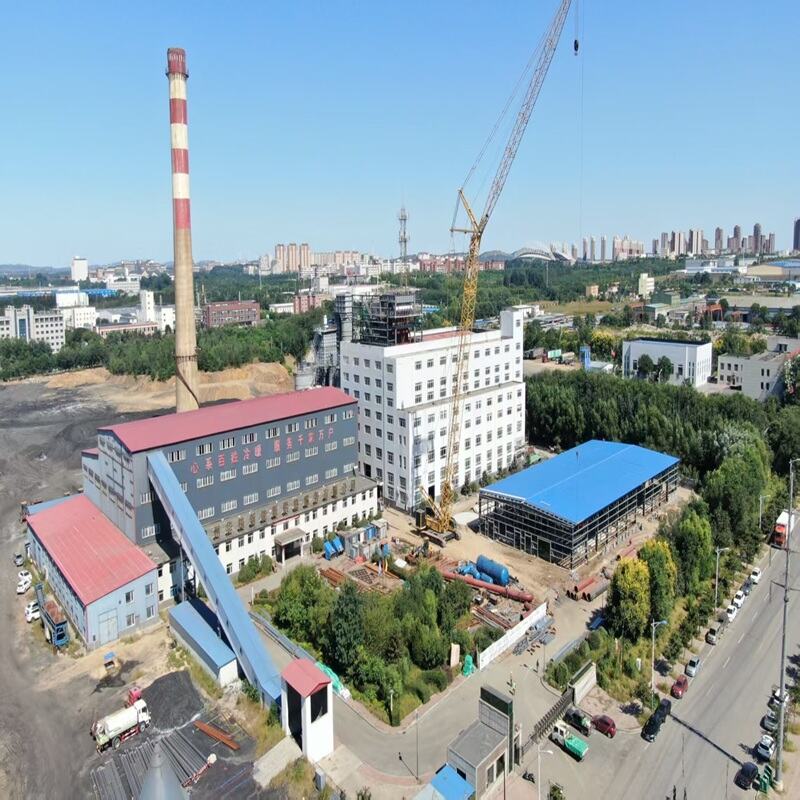
Практично искуство од обработка на CNC компоненти за стоманени згради
Повеќе од 18 години во производството на стоманени конструкции, јас ги управував производството на компоненти за стотици проекти на стоманени згради со користење на CNC прецизни технологии. Еднаш превземав проект за индустриски склад кој закаснувал, каде што традиционалната обработка предизвикала непоследователни позиции на дупките, нерамни резани работи и неуспеси при монтажата. Ние го започнавме повторно со целосна CNC обработка: CNC резање, CNC бурење и CNC фрезирање на сите греди, столбови и спојници. Секоја компонента беше изработена со прецизни димензии и глатки површини. Монтажата на локацијата протекуваше глатко, без потреба од поправки, а проектот беше завршен пред рокот. Овој реален случај покажува дека CNC прецизноста не е само напредна опрема — таа осигурува стабилност, ефикасност и доверливост за стоманените згради. Нашата компанија годинава користи CNC производствени линии за изработка на високо-прецизни компоненти за стоманени згради кои задоволуваат стандарди како ISO 9001, EN 1090 и GOST.
Клучни предности на CNC прецизната обработка за компоненти на стоманени згради
Технологијата за прецизно CNC обработување доведува значителни подобрувања на квалитетот на компонентите за стоманени градби. CNC машините користат дигитални програми за контрола на сечењето, бурењето и фрезирањето, што значително го намалува човечкиот фактор на грешка. Точноста на сечењето може да достигне ±0,05 мм, што прави секој дел конзистентен. Структурните инженери потврдуваат дека униформните компоненти ја подобруваат стабилноста и безбедноста на рамката. CNC исто така лесно обработува комплексни форми, што овозможува прилагодени дизајни на стоманени градби. За разлика од рачната обработка, CNC задржува висок квалитет дури и кај големи серии, што е суштинско за фабрики, магацини и хангари. Сите наши компоненти за стоманени градби се произведени со CNC обработка за да се осигура совршено совпаѓање и силна конструкција.
Тек на CNC обработка за компоненти за стоманени градби висок квалитет
Нашиот CNC процес на обработка следи строг и јасен работен тек за да се гарантираат доверливи компоненти за стоманени градби. Тој започнува со дигитално моделирање врз основа на инженерските цртежи. Потоа, користиме CNC сечење за добивање точни форми на заготови. Следно, CNC бургирање и фрезирање создаваат прецизни отвори и површини. По автоматското заварување, извршуваме CNC калибрација и завршна обработка. Секој чекор е контролиран од компјутер за да се одржи стабилноста. Овој работен тек ги исполнува захтевите за контрола на фабричката производство според EN 1090. Стандардизираната CNC обработка осигурува дека секоја стомана компонента за градби совпаѓа совршено, што го намалува тежинскиот фактор при монтажата и ја подобрува ефикасноста.
Контрола на материјалот и осигурување на перформансите при CNC обработка
CNC обработката најдобро функционира со челик високог квалитет за максимална перформанса на челичните градежни конструкции. Главно користиме челик Q235B и Q355 со висока чврстина, кои имаат добра жилавост и носечка способност. Пред CNC обработката, проверуваме ја чврстината и рамномерноста на материјалот. Во текот на обработката, CNC алатите го намалуваат напрегањето и деформацијата, со што се одржува интегритетот на материјалот. Сите компоненти поминуваат низ процес на откривање на недостатоци и антикорозивна обработка. Строгата контрола на материјалот и процесот на обработка прави дека нашите челични градежни компоненти се издржливи, отпорни на ветер и земјотреси, и задоволуваат глобални градежни прописи.
Нашата професионална предност во CNC решенија за челични градежни конструкции
Нашата компанија е професионален производител кој се фокусира на челични градежни компоненти обработени со CNC. Со повеќе од 18 години искуство, работна површина од 100.000 м² и напредни CNC линии, ние нудиме комплексна услуга од дизајн до инсталација. Држиме сертификати ISO, EN 1090 и GOST, што гарантира стабилно квалитетно извршување за глобални клиенти. Нудиме целосна персонализација за работилници, складишта, земјоделски објекти и хангари. Нашиот професионален тим осигурува прецизни, ефикасни и доверливи решенија. Изборот на нашите челични градежни компоненти обработени со CNC значи посигурни, поиздржливи и поскапкови градби.
Содржина
- Практично искуство од обработка на CNC компоненти за стоманени згради
- Клучни предности на CNC прецизната обработка за компоненти на стоманени згради
- Тек на CNC обработка за компоненти за стоманени градби висок квалитет
- Контрола на материјалот и осигурување на перформансите при CNC обработка
- Нашата професионална предност во CNC решенија за челични градежни конструкции