
 EN
EN
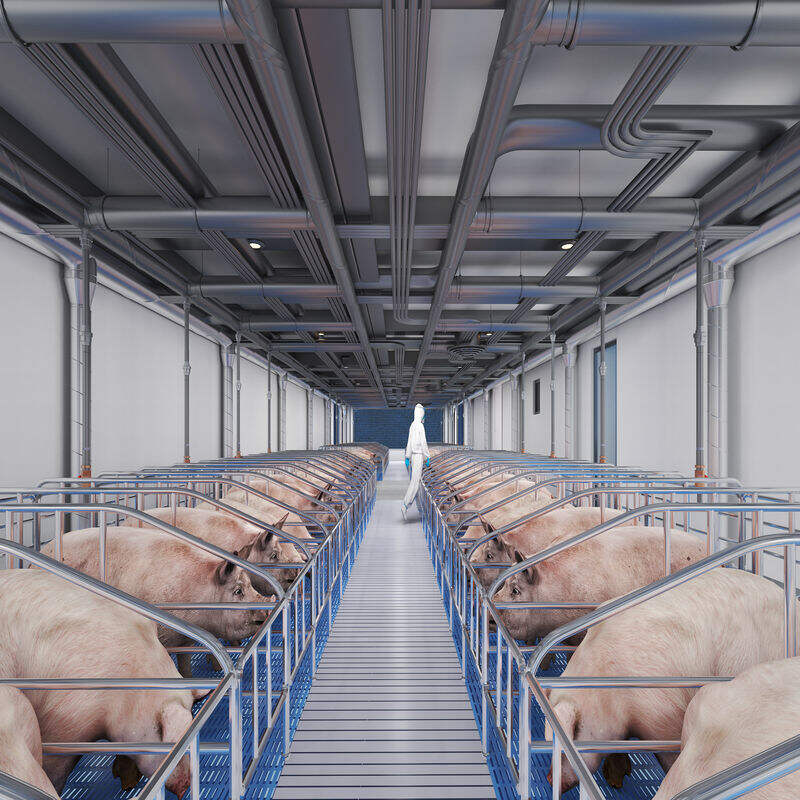
Why Proper Ventilation Matters for Animal Barn
Ventilation is the most critical factor affecting animal health, growth performance and breeding efficiency in an animal barn. Poor air quality caused by insufficient ventilation will lead to excessive ammonia, carbon dioxide and other harmful gases, high indoor humidity, and increased bacteria and dust, which seriously affect animal appetite, immunity and growth rate. In my more than 18 years of experience in steel structure agricultural building design and construction, I have seen many animal barns with unreasonable ventilation design, resulting in frequent animal diseases, increased medication costs, reduced feed conversion rate and serious economic losses to farmers. According to the research and data of agricultural and animal husbandry engineering experts, the air exchange rate of a qualified animal barn should reach 4-6 times per hour in winter and 50-60 times per hour in hot seasons to ensure that livestock and poultry are in a comfortable and healthy environment all year round. As an expert in animal husbandry engineering pointed out, ventilation is not just air circulation, but a systematic project to control temperature, humidity, air velocity and harmful gas concentration, which is related to the success or failure of the entire breeding project. Our steel structure animal barn takes ventilation as the core design index from the beginning, combined with structural characteristics and breeding needs, to create a healthy and comfortable growth environment for animals.
Key Principles of Ventilation Design for Animal Barn
The ventilation design of an animal barn needs to follow scientific principles and combine structural characteristics to achieve balanced and stable air circulation. First of all, it is necessary to determine the ventilation mode according to the breeding type, scale, climate characteristics and regional environment. Natural ventilation is suitable for mild climate areas, using wind pressure and hot pressure to promote air flow through side windows, roof vents and other structures; mechanical ventilation is more suitable for closed animal barns in hot and humid or severe cold areas, using fans to achieve forced air exchange. Secondly, the layout of air inlets and outlets should be reasonable. The air inlets are set on the side walls at a certain height to avoid direct cold wind blowing on animals, and the air outlets are set at the roof ridge to facilitate the discharge of hot and dirty air. In addition, the ventilation rate must be accurately calculated to meet the needs of different growth stages of animals, and avoid insufficient ventilation or excessive energy consumption caused by excessive ventilation. Our design team strictly abides by international agricultural building standards, combines the characteristics of steel structure animal barn with large span and flexible layout, and carries out personalized ventilation design to ensure uniform air distribution in all areas of the animal barn without dead corners. At the same time, we pay attention to the coordination of ventilation and thermal insulation, so as to ensure air quality while maintaining appropriate indoor temperature.
Our Practical Experience in Ventilated Animal Barn Projects
We have accumulated rich practical experience in the design and construction of ventilated steel structure animal barn. In a large-scale cattle farm project, the customer put forward high requirements for ventilation effect, hoping to keep the air fresh in the barn in both hot summer and cold winter. Our technical team conducted on-site investigation, analyzed the local climate data, and designed a mixed ventilation system combining natural ventilation and mechanical ventilation for the animal barn. We adopted Q235B/Q355 high-strength steel as the frame material, with sturdy and durable structure, which provided a stable foundation for the installation of ventilation equipment. The side walls are equipped with adjustable shutters, and the roof is designed with ridge vents, which can realize natural ventilation by using wind pressure and hot pressure in mild seasons. In hot summer, negative pressure fans are turned on to quickly discharge hot and dirty air, and in cold winter, the ventilation volume is properly controlled to reduce heat loss while ensuring air exchange. In addition, we use CNC precision processing components, with tight connection and good sealing, avoiding air leakage and affecting ventilation effect. After the project is put into use, the indoor air quality of the animal barn is excellent, the temperature and humidity are stable, the animal growth is good, and the breeding benefit is significantly improved, which has been highly recognized by the customer. We have applied this mature ventilation design scheme to pigsties, sheepfolds, chicken houses and other animal barn projects, and have achieved good application effects.
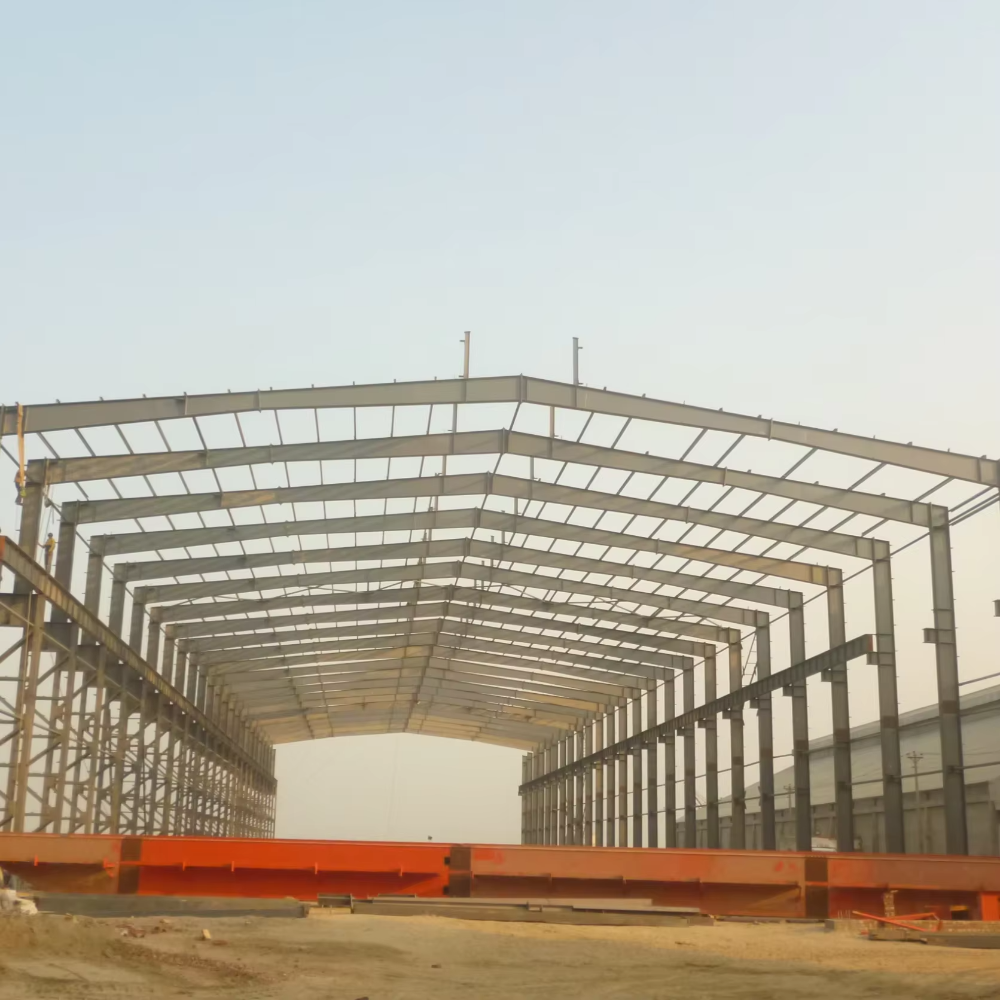
Structural and Material Advantages Supporting Ventilation Performance
The steel structure animal barn we provide has unique structural and material advantages, which can effectively support the realization of ventilation functions. First of all, the steel structure has the characteristics of large span and few columns, which can realize an open and unobstructed interior space, facilitating the uniform circulation of air and avoiding the problem of poor ventilation in local areas caused by structural barriers. Secondly, we use corrosion-resistant wall and roof panels, with tight lap and good sealing, which can accurately control the air inlet and outlet positions and ventilation volume, and avoid the impact of random air leakage on the ventilation effect. The panels have good thermal insulation performance, which can reduce the condensation caused by temperature difference while ensuring ventilation, keep the interior dry and reduce the breeding of bacteria. In addition, our steel structure has high strength and stable performance, which can safely carry ventilation equipment such as fans and vents, ensuring the long-term stable operation of the ventilation system. All products comply with ISO three-system certification, EU EN 1090 certification and GOST certification, with reliable quality and long service life, providing a solid guarantee for the long-term efficient operation of animal barn ventilation.
Long-Term Benefits of Scientific Ventilation Design for Animal Barn
Scientific ventilation design brings long-term and significant benefits to animal barn operations. A well-ventilated animal barn can effectively reduce the concentration of harmful gases, lower the humidity, reduce the reproduction of bacteria and viruses, reduce the incidence of animals, reduce the use of drugs, and improve the quality of livestock and poultry products. At the same time, a comfortable air environment helps to improve animal appetite and feed conversion rate, promote growth and development, shorten the breeding cycle and increase economic benefits. For farmers, good ventilation can reduce the daily maintenance workload, prolong the service life of the barn, and reduce the comprehensive breeding cost. Our ventilated steel structure animal barn integrates scientific design, high-quality materials, professional manufacturing and perfect after-sales service, relying on more than 18 years of industry experience and projects in more than 30 countries and regions, to provide reliable solutions for global farmers. We always take creating a healthy and comfortable breeding environment as our goal, and help farmers achieve sustainable development of animal husbandry through professional and optimized animal barn design.